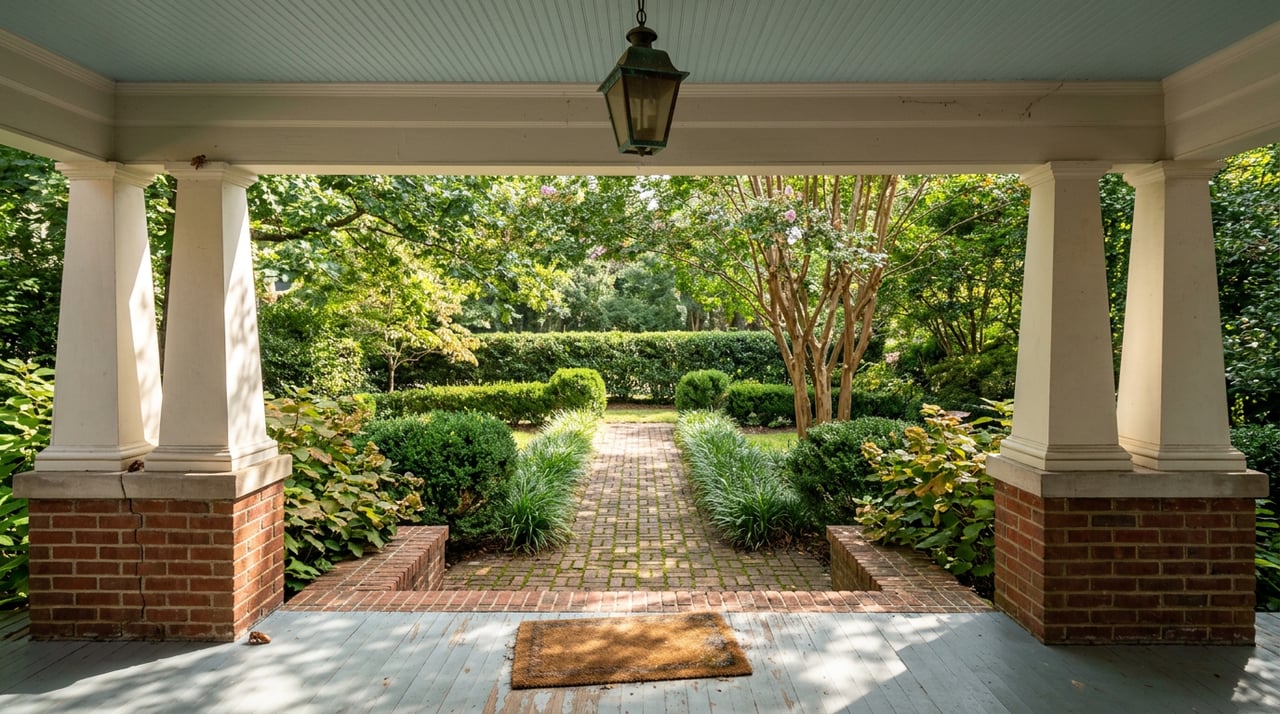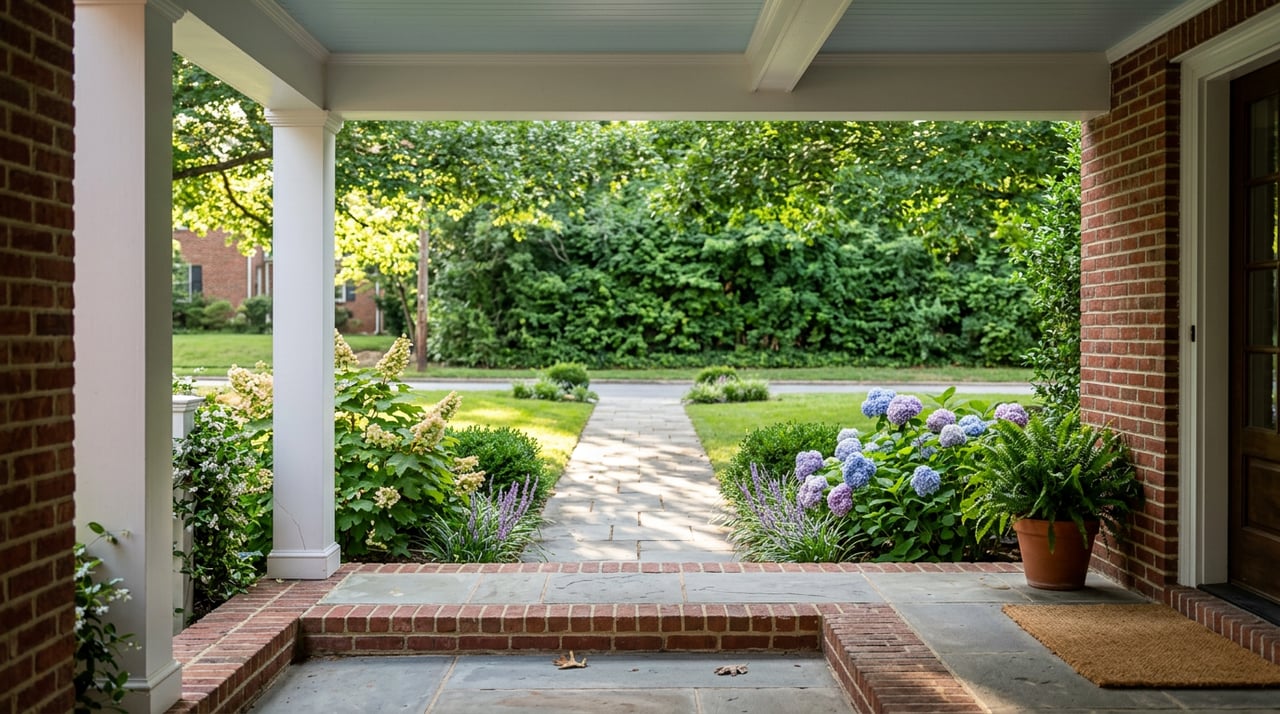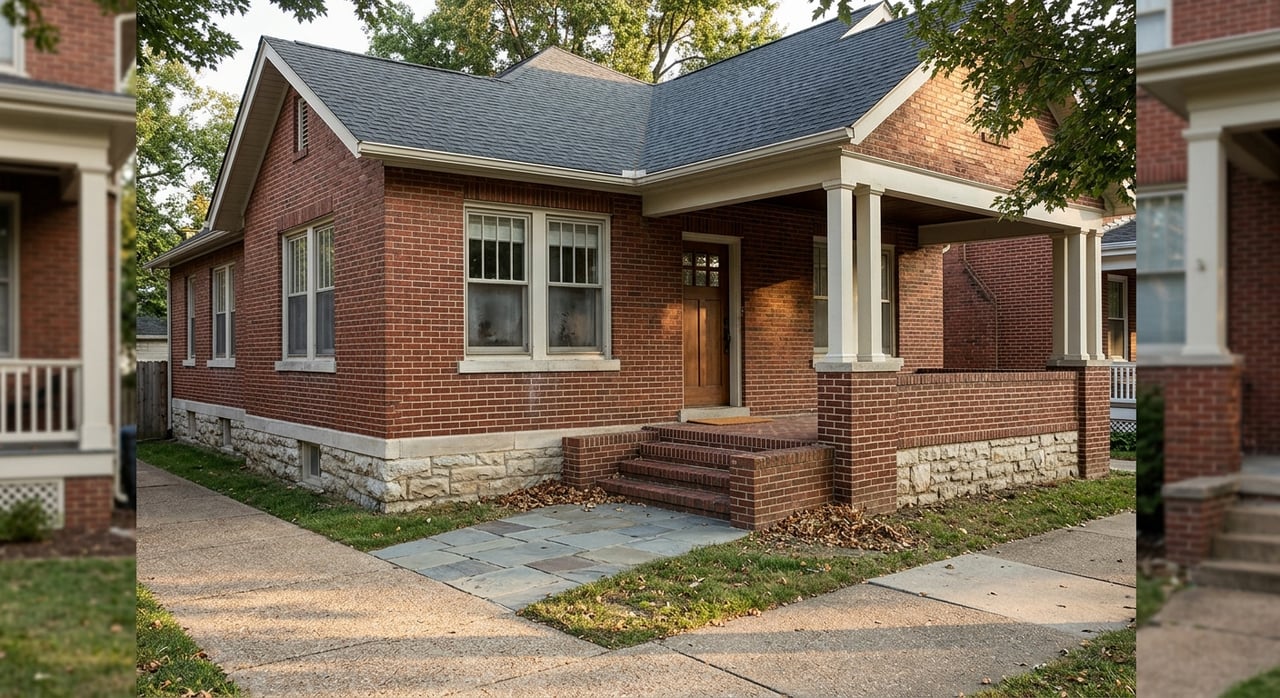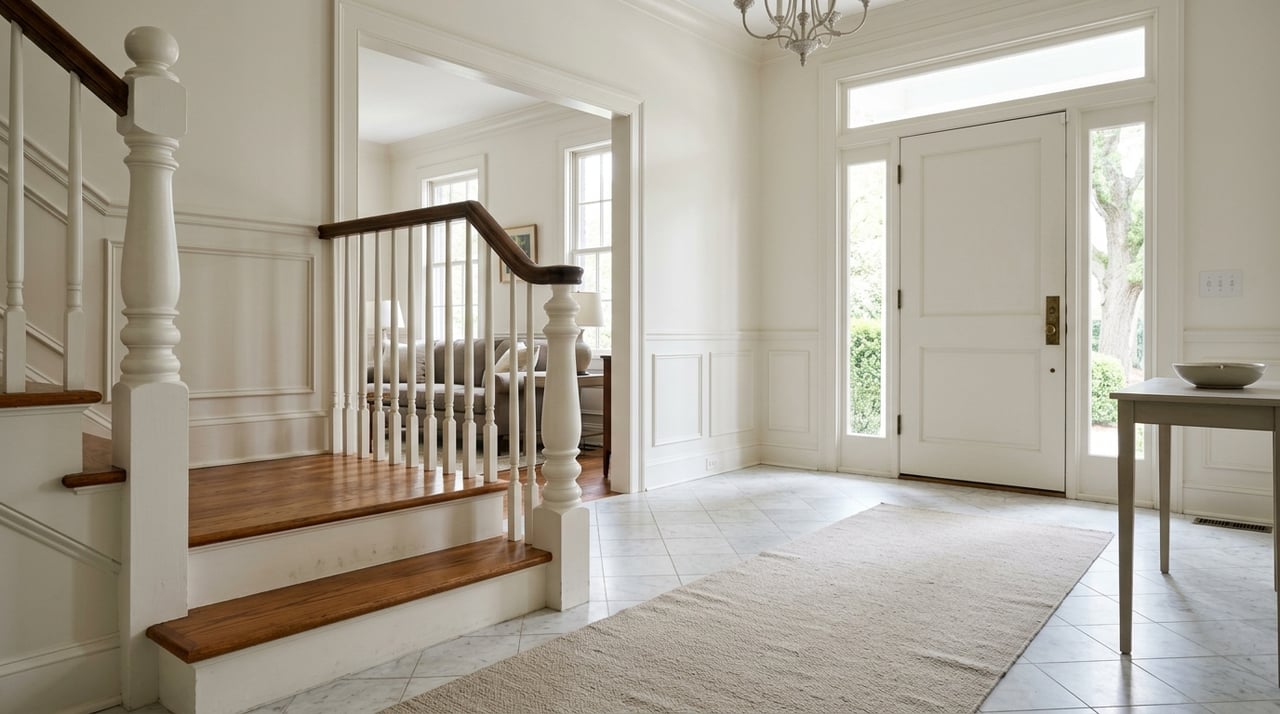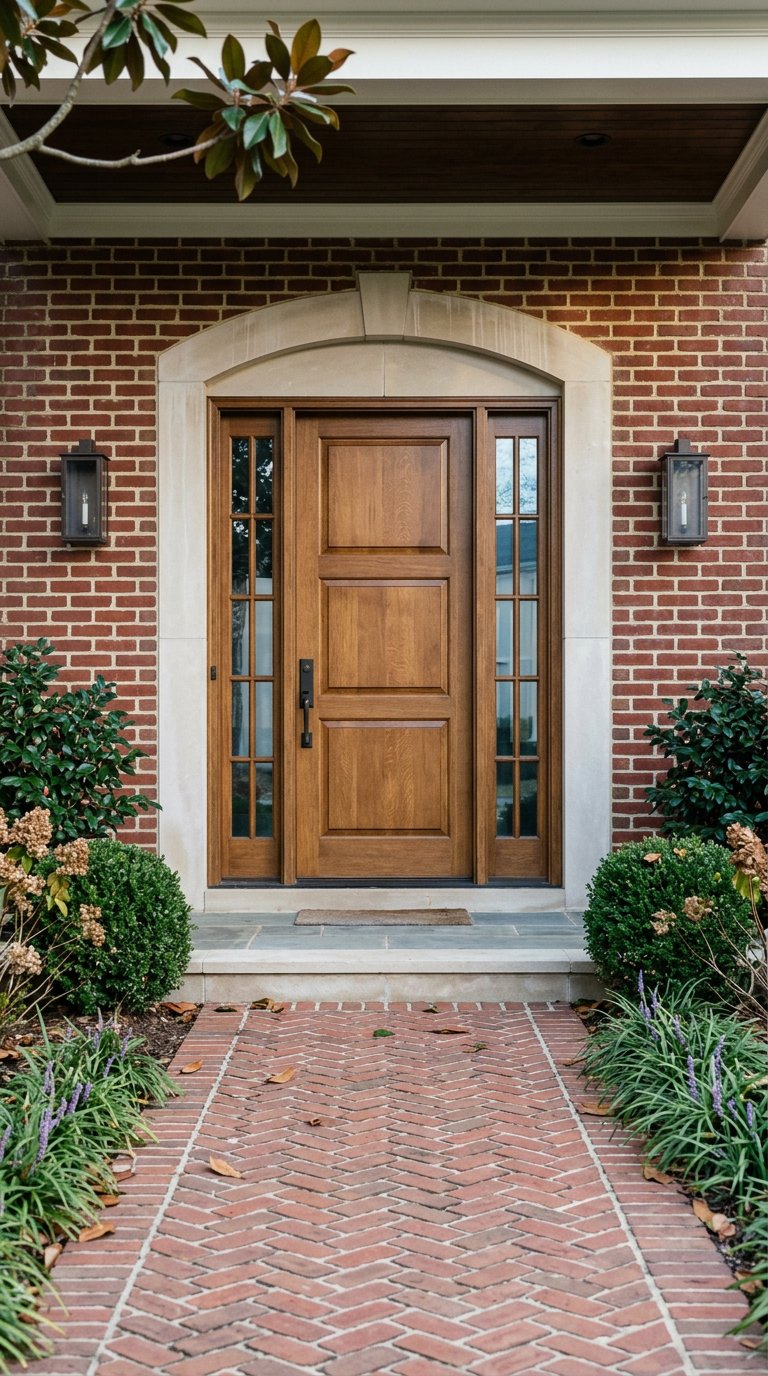
You fell in love with your Ansley Park home for its gracious porch, tall windows, and tree-lined setting. Still, you want a kitchen that works for busy mornings, efficient heating and cooling, and a bath that feels spa‑ready. You can have both: modern comfort and preserved character. In this guide, you’ll learn practical ways to update, what to prioritize for resale, and how to navigate local rules so your investment is smart and sensitive. Let’s dive in.
What makes Ansley Park special
Ansley Park grew in the early 1900s as one of Atlanta’s first car‑oriented suburbs, with broad parkways and a mix of Colonial Revival, Tudor Revival, Craftsman, Queen Anne, and Prairie styles. The district was largely built out by 1930, which is why the streets feel cohesive and mature. You can read a concise history in the Ansley Park overview on Wikipedia.
The neighborhood is listed on the National Register of Historic Places. That status is primarily honorary for private owners, but it signals real cultural value. There has also been an active local debate about whether to add a City historic district overlay that would trigger formal design review for visible exterior work. Local reporting captures that community discussion well in this SaportaReport piece.
Start with preservation basics
Identify character‑defining features
Before you plan any work, list the features that make your home feel like Ansley Park. Common elements include the front façade, rooflines, porch columns and railings, original window proportions and muntin patterns, wood trim and built‑ins, staircases, and the relationship between the house, setback, and mature trees. Create a simple photo log and a short “feature inventory.” This documentation helps you make good decisions and becomes useful for permits or potential credits later. For how‑to guidance, review the National Park Service’s Technical Preservation Services Briefs.
Follow the repair‑retrofit‑replace rule
A simple rule keeps you on track: repair first, then retrofit, and replace only when necessary. When replacement is unavoidable, match the original material, proportion, and profile on primary elevations. Place visible modern interventions at the rear or on secondary elevations whenever possible. The NPS guidance also favors reversible measures that avoid removing historic fabric.
Kitchens and baths that respect history
Kitchen upgrades that keep the charm
If you need more kitchen space, expand into secondary areas such as a butler’s pantry, enclosed porch, or back hall instead of altering a main public room or the primary façade. When cabinetry must be replaced, choose custom profiles that echo historic trim, panel widths, and wood species. Panel‑ready appliances and inset installations can hide the “commercial box” look and keep sightlines calm. Plan venting routes early so you can run ducts through an attic, closet, or chase rather than cutting into decorative plaster.
Bathrooms with period‑true details
Keep historic bath footprints when you can. If you want an en‑suite, place it in an existing closet or a secondary room instead of reconfiguring a principal space. Preserve or sensitively replicate original tile and trim where they are defining features. Choose modern, water‑saving fixtures that have classic silhouettes so the scale still feels right in a historic home.
Comfort and efficiency upgrades
Windows and doors: repair first
Original sash and frames are often repairable and, when paired with weatherstripping and high‑quality storm windows, can perform surprisingly well. The National Trust’s Preservation Green Lab highlights how retrofits can rival replacements on efficiency while protecting historic material; see their overview on retrofitting historic windows. Replace only when a unit is beyond repair, and match profiles and muntin patterns on primary elevations.
Insulation and air‑sealing
Start in the attic. Air‑sealing and adding insulation at the top of the house usually delivers the best comfort gains with minimal risk to historic fabric. Wall insulation is more complex in older plaster or masonry assemblies and can introduce moisture issues if not planned carefully. The NPS sustainability guidelines recommend prioritizing measures that do not damage character‑defining materials; review the Illustrated Sustainability Guidelines for practical direction.
HVAC and electrification
For many Ansley Park homes, high‑efficiency heat pumps or ductless mini‑splits are attractive solutions. They offer zoned comfort and often avoid invasive ductwork. If you choose a central system, route ducts through closets, existing chases, or the attic, and keep air handlers within conditioned space where possible. Place outdoor condensers in low‑visibility locations and screen them with landscaping. The U.S. Department of Energy shares helpful retrofit case studies and routing best practices in its guides and case studies.
Solar and electrical planning
If you plan for solar, place panels on rear roof planes or areas not visible from the primary façade, and align arrays to the roof slope for a low‑profile look. Run conduit at roof‑to‑attic transitions to keep wiring unobtrusive. Many older homes benefit from an electric service upgrade to support modern appliances, EV charging, and future electrification. The NPS sustainability guidance supports renewable‑ready planning when it preserves character and visibility from the street.
Exterior, roof, and landscape
Roofs and porches
Preserve original roof forms and repair rather than reconfigure whenever possible. When re‑roofing, match the historic profile and consider visually compatible, long‑lived materials such as high‑quality architectural shingles. Keep porch elements like columns, balusters, and floorboards intact, repairing in kind where needed. The NPS briefs provide clear guidance on repair techniques and appropriate replacements.
Trees and streetscape
Ansley Park’s wide setbacks, parkways, and mature canopy are part of the neighborhood’s identity. Tree removal and major front‑yard grading often require permits. Coordinate early with the City’s Arborist Division and be thoughtful about tree‑save areas. You can learn about permit requirements through the Arborist Division.
Smart project sequencing for sellers
The right sequence protects your budget and boosts market appeal. Buyers notice systems and maintenance first, then comfort, then finishes. A thoughtful plan keeps what makes your home special and invests in the updates buyers value.
A practical priority checklist
Safety, structure, and systems. Fix active roof leaks, structural issues, outdated or unsafe wiring, and failing HVAC before doing cosmetic work. Buyers expect a solid foundation for everything else.
Weatherproofing and comfort. Improve attic air‑sealing and insulation, service or replace inefficient HVAC, and confirm water‑heater reliability. The NPS sustainability guidelines favor these low‑impact, high‑benefit steps.
Midrange kitchen and bath refreshes. Focus on surface updates, quality fixtures, and modest cabinet refacing or replacement while keeping the historic layout where it counts. National data shows smaller, midrange projects often recover more at resale than upscale gut jobs. See the latest Cost vs. Value report for context.
Windows and energy retrofits. Repair original sash, add storm windows or interior insulating shades, and improve weatherstripping. Evidence summarized by the National Trust shows strong cost‑benefit for repair‑first approaches; explore their window retrofit tips.
Curb appeal and landscape. Repair porches, refresh paint, tidy front paths, and maintain the canopy. In Ansley Park, these visible touches matter.
Why midrange often wins
Over‑customized luxury renovations can be hard to recoup. Targeted, high‑quality midrange projects and exterior updates tend to deliver better returns in many markets. Lean into what buyers here value most: strong systems, comfort, and updated kitchens and baths that still look at home in a historic house. The Cost vs. Value report supports this strategic focus.
Permits, credits, and help
Confirm local review early
If a City historic overlay is created for your parcel in the future, major exterior changes visible from the street could require a Certificate of Appropriateness through the Urban Design Commission. Even today, some projects need city permits, and tree work is closely regulated. Start with the City of Atlanta’s Office of Design to confirm what applies to your scope; here is the Office of Design contact page. For tree questions, consult the Arborist Division.
Georgia tax credit snapshot
Georgia offers a Historic Rehabilitation Tax Credit program with rules, caps, and preapproval steps that vary by year. Owner‑occupied historic homes may be eligible under current guidelines, but you should confirm details before relying on credits for financing. Review the Georgia Department of Revenue’s page on the Historic Rehabilitation Credit for Historic Homes to see current requirements.
Document before you start
Assemble a short feature inventory and photograph log, plus existing mechanical, electrical, and plumbing diagrams if available. Gather contractor references with proven historic work and request a phased scope and bids. If you plan to pursue credits or a complex exterior project, reach out for early guidance. The NPS Technical Preservation Services Briefs are a solid reference as you prepare.
Who to call
For changes to primary façades, rooflines, porches, or character‑defining interiors, consult a preservation architect or an architect with historic rehab experience. Choose builders and tradespeople who understand plaster, millwork, and low‑impact routing for HVAC, electrical, and plumbing. The U.S. Department of Energy’s guides and case studies can help you and your team think through comfort upgrades that respect historic fabric.
Bring it all together
Updating an Ansley Park home is about balance. Start with a clear inventory of what makes your house special, invest first in safety and comfort, and choose midrange kitchen and bath improvements that fit the period. Keep visible exteriors intact, place new systems where they are quiet and discreet, and coordinate with the City early for permits and tree rules. With a thoughtful plan, you can enjoy modern living while honoring your home’s legacy and strengthening its market appeal.
If you’re weighing scope, timing, or how to position your historic home for sale, let’s talk. For calm, concierge‑level guidance tailored to Ansley Park and Midtown, connect with Josephine Traina to Book Your 15–30 Minute Consultation.
FAQs
Do I need permission for exterior changes in Ansley Park?
- National Register status is honorary for private owners, but a future City historic overlay could require design review for street‑visible work. Confirm current rules with the City’s Office of Design.
What should I do with drafty original windows?
- Repair sash and frames, add weatherstripping, and consider exterior or high‑quality interior storm windows before replacing; see the National Trust’s window retrofit tips.
Where can I place solar panels on a historic roof?
- Favor rear or low‑visibility roof planes and align arrays to the roof slope; run conduit discreetly. The NPS sustainability guidelines offer visibility and placement best practices.
What projects usually deliver the best resale value?
- Data often favors midrange kitchen and bath refreshes, strong curb appeal, and exterior updates over upscale gut jobs; review the Cost vs. Value report for benchmarks.
How should I sequence a historic home update before listing?
- Tackle safety and systems first, then comfort and efficiency, then selective finishes and curb appeal. This sequence protects budget and maximizes buyer impact.
Do I need a permit to remove a front‑yard tree?
- Tree work is regulated in Atlanta, and removal often requires a permit. Contact the City’s Arborist Division early to confirm what applies.
Are there tax credits for owner‑occupied historic homes in Georgia?
- Georgia’s Historic Rehabilitation Tax Credit may apply to qualified owner‑occupied homes under current rules and caps; check the Georgia DOR’s program page before you plan financing.