If you have ever walked through a neighborhood and felt like every curve in the street was guiding your eye to something beautiful, Ansley Park will feel familiar fast. This is one of those Atlanta neighborhoods where the setting matters just as much as the homes themselves. As you explore, you start to see how architecture, parks, and carefully shaped streets work together to create a lasting sense of place. Let’s dive in.
Ansley Park’s Design Story
Ansley Park began in 1904 as Edwin P. Ansley’s planned residential suburb. From the start, it was laid out with wide winding streets, green parks, and a design that embraced the early automobile rather than a strict city grid.
That planning choice still shapes your experience today. The curving streets, open spaces, and small park areas help the neighborhood feel more like a garden suburb than a conventional intown street pattern.
The neighborhood sits just east of Midtown and west of Piedmont Park. It is primarily residential, yet it remains within walking distance of nearby shopping and arts districts, which adds to its appeal for buyers who want both character and convenience.
What Makes the Streetscape Stand Out
A stroll through Ansley Park is not only about looking at façades. The public realm is a major part of the visual experience, from traffic islands and medians to mature trees, curbs, and layered plantings.
The park system is especially important here. Planning Atlanta notes that no home is more than a 10-minute walk from one of 14 parks, and about 30% of the neighborhood’s footprint is made up of parks and connected green space.
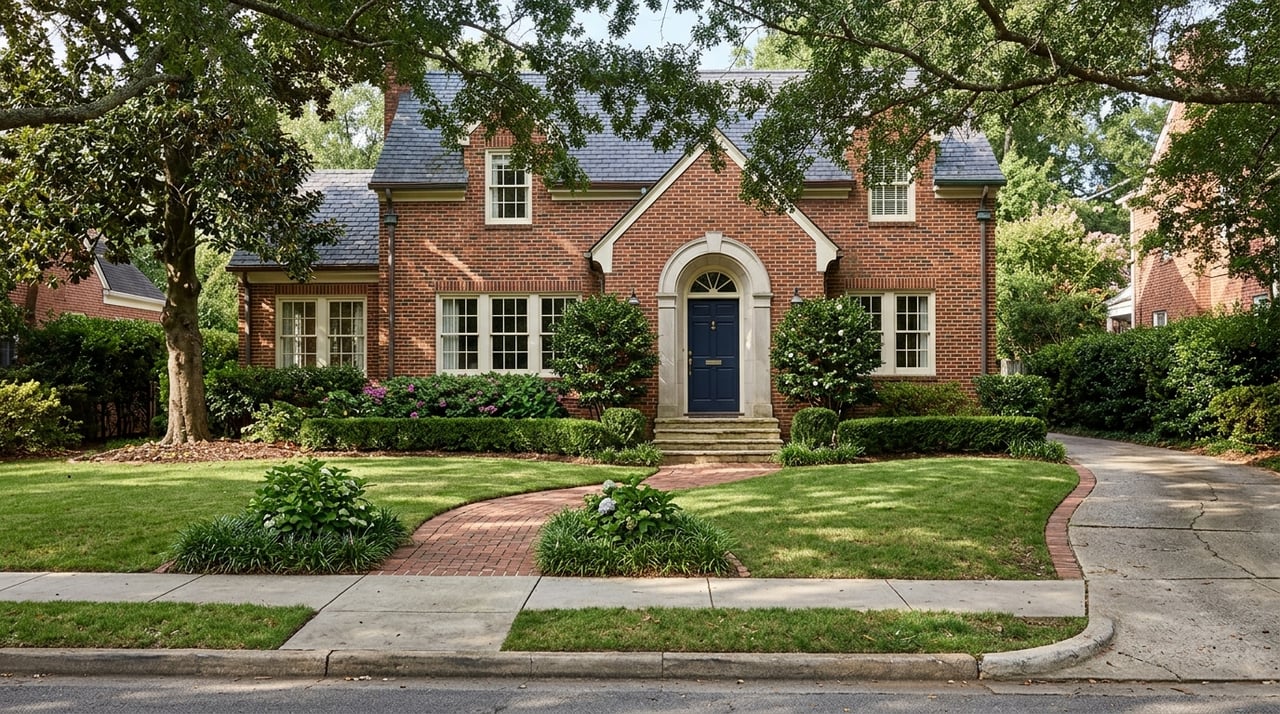
That means the homes are almost always viewed in context. Deep setbacks, leafy canopies, granite markers, and pocket parks soften the streetscape and give many properties a more graceful, framed presence from the street.
Ansley Park Architecture at a Glance
Ansley Park is best understood as an architecturally layered neighborhood. It is historic, but it is not locked into one single style or era.
The National Register record gives the district a period of significance from 1900 to 1974. That broad time span helps explain why you will see early 20th-century homes alongside later additions that still contribute to the neighborhood’s character.
Some of the most common architectural styles include:
- Queen Anne
- Neoclassical Revival
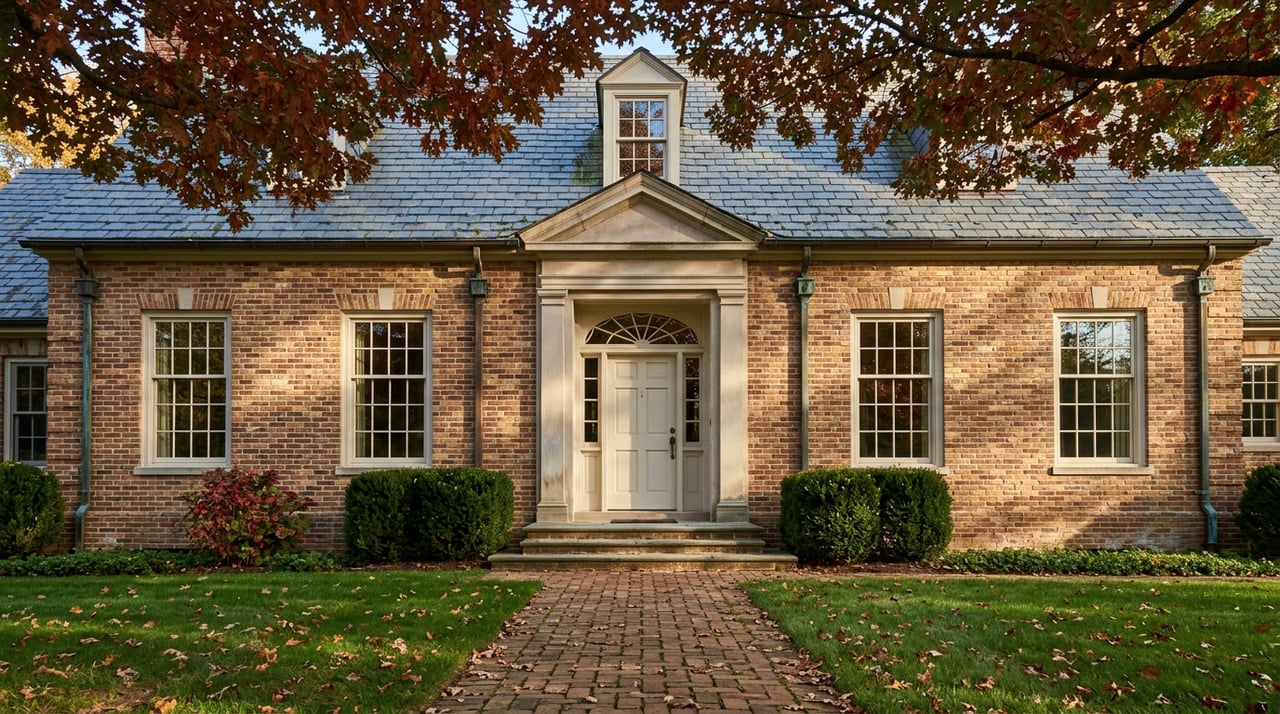
- Colonial Revival
- Dutch Colonial Revival
- Spanish Colonial Revival
- Italian Renaissance Revival
- English Vernacular Revival
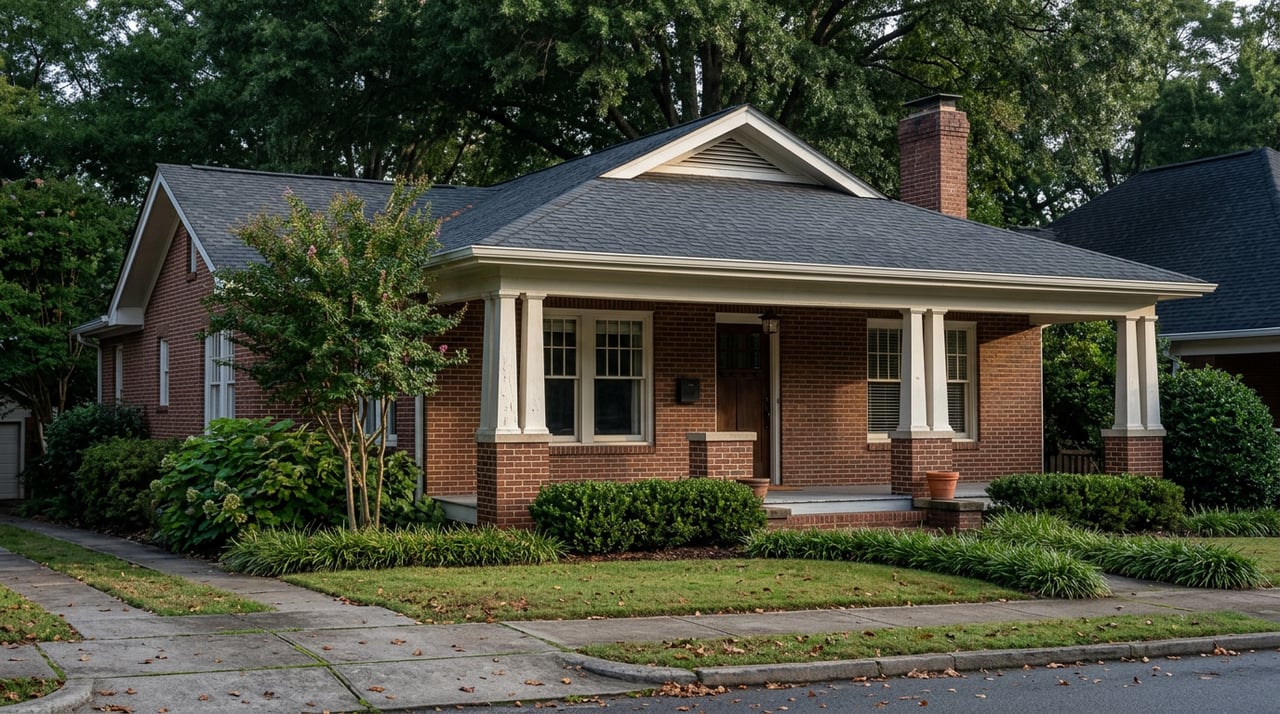
- Craftsman
Smaller numbers of Federal Revival, French Vernacular Revival, and International-style examples also appear in the district. Planning Atlanta further describes the neighborhood as eclectic, with Baroque, Prairie School, and Modern architecture in the mix as well.
Early Revival Styles You’ll Notice
Many homes in Ansley Park reflect the popularity of revival architecture in the early 20th century. These houses often borrow from earlier European and American traditions, which gives the neighborhood much of its timeless and formal street presence.
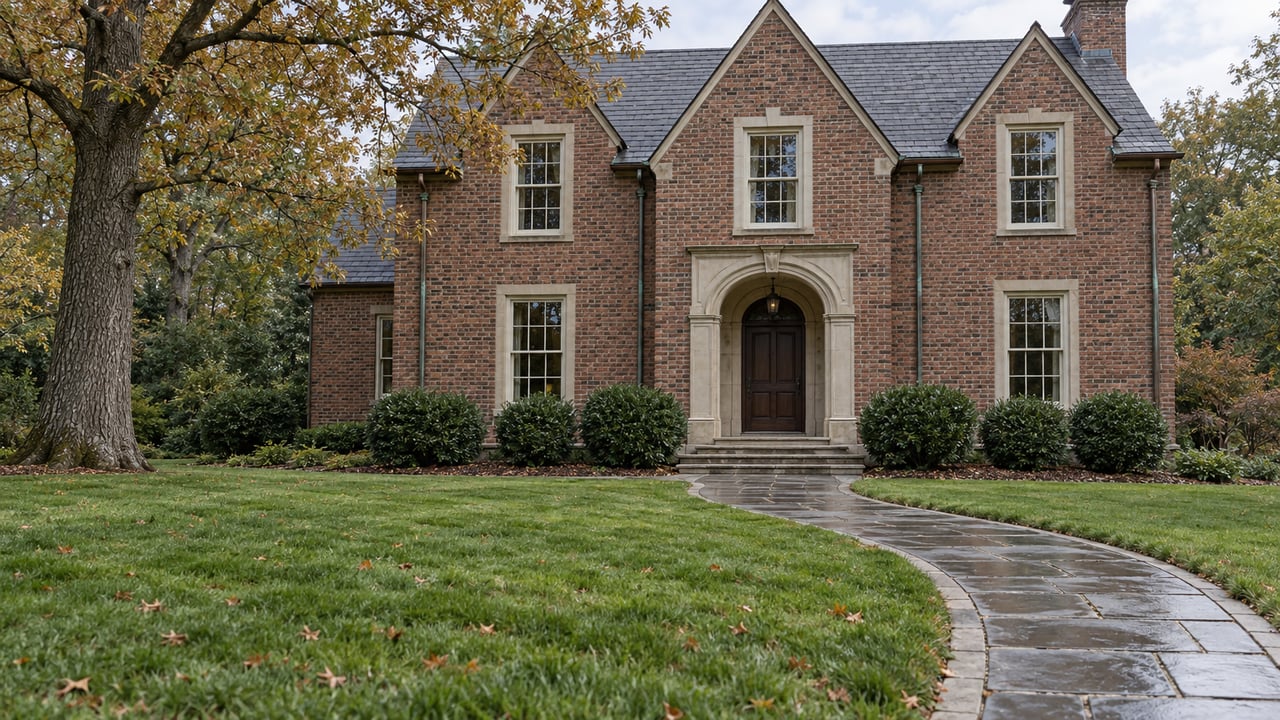
Colonial Revival and Neoclassical Revival homes are especially important to the area’s look. As you walk, you may notice balanced façades, prominent entries, columned porches, and a sense of symmetry that feels refined without being rigid.
English Vernacular Revival homes add another layer. These residences often bring a more storybook quality to the streetscape, helping the neighborhood feel varied rather than repetitive.
Craftsman and Other Distinctive Influences
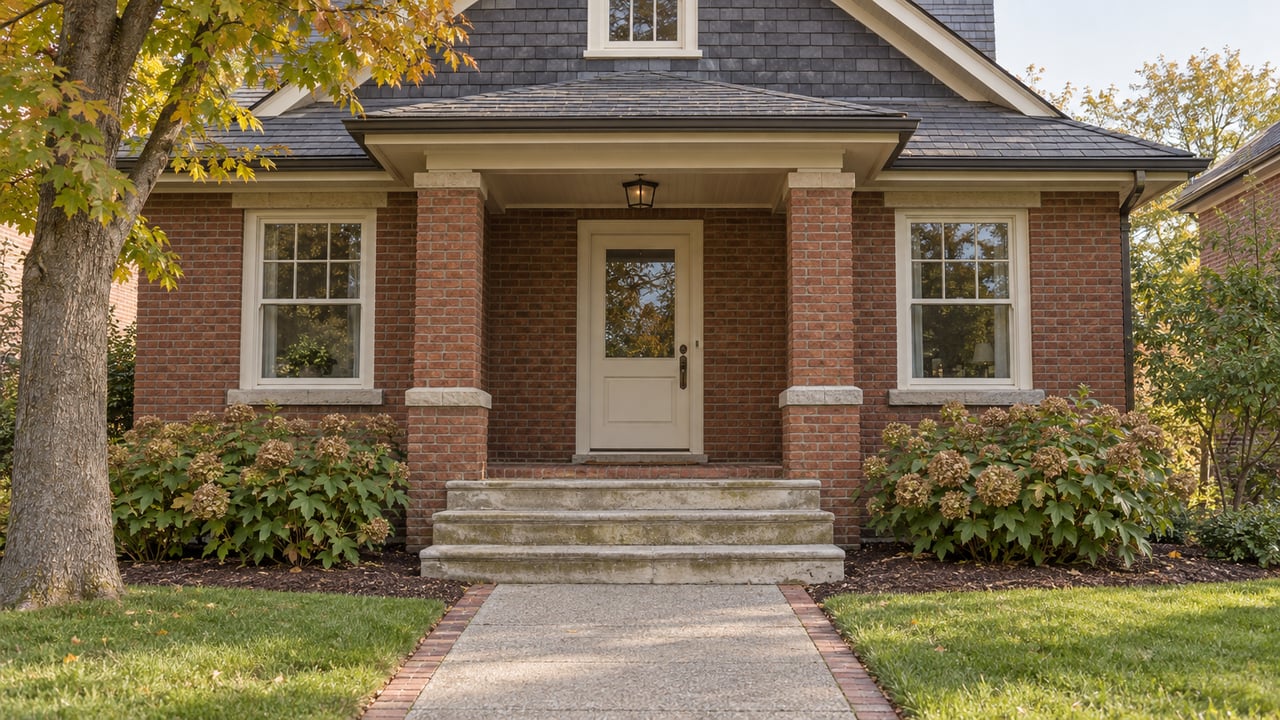
Craftsman homes also play a meaningful role in Ansley Park’s architectural identity. They add warmth and texture to the neighborhood’s more formal revival houses, creating a streetscape that feels collected over time instead of master-matched.
Spanish Colonial Revival and Italian Renaissance Revival homes contribute a different visual rhythm. Their presence broadens the neighborhood palette and reinforces the idea that Ansley Park is eclectic by design, not by accident.
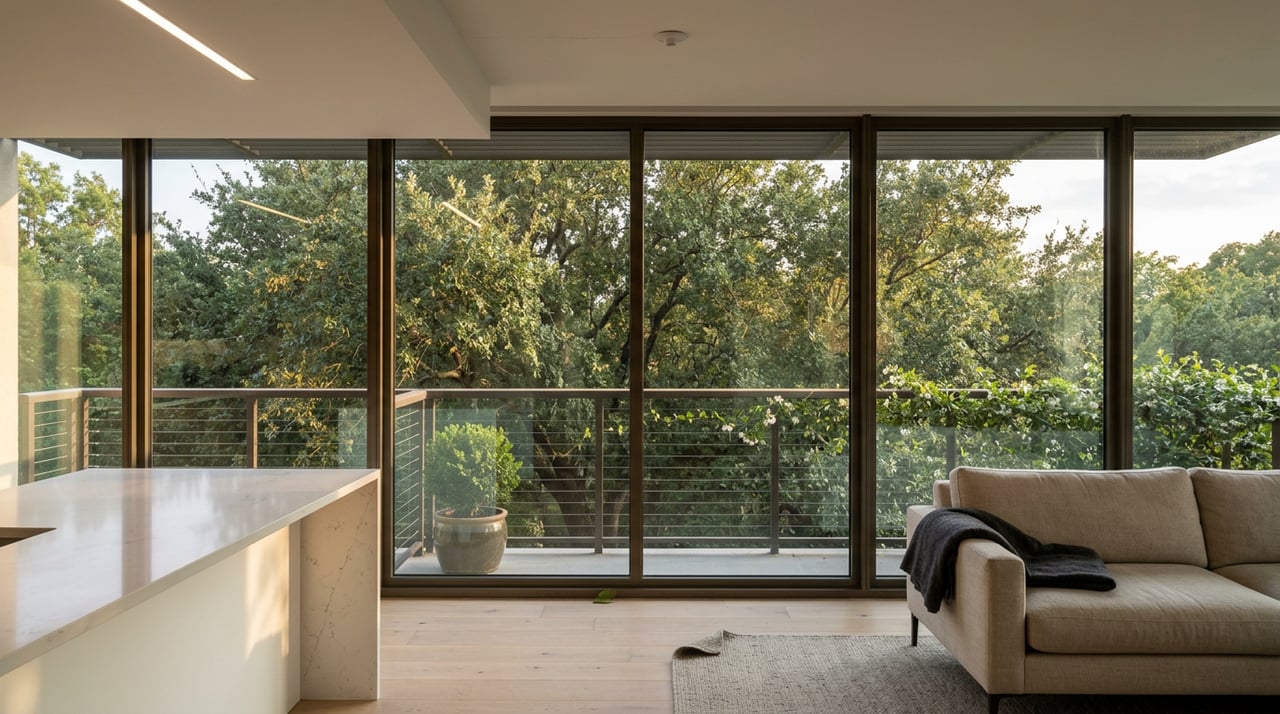
Later Modern and International-style examples show that the neighborhood continued to evolve over the decades. This is one reason Ansley Park feels layered and lived-in rather than preserved as a single-period showcase.
Architects Who Shaped the Neighborhood
Part of what makes Ansley Park so compelling is the concentration of architect-designed homes and apartments. Several important Atlanta architects are linked to the neighborhood, including A. Ten Eyck Brown, Neel Reid, Philip Trammell Shutze, P. Thornton Marye, Walter Thomas Downing, and Leila Ross Wilburn.
For buyers and architecture-minded homeowners, that matters. It helps explain why the neighborhood often feels visually rich even within a relatively compact area, with homes that show thoughtful proportions, distinctive detailing, and strong relationships to their sites.
Why the Setting Changes Everything
In many neighborhoods, you can talk about architecture without talking much about landscape. In Ansley Park, that approach misses the point.
Here, the houses and the land around them are part of the same experience. Curvilinear streets, connected parks, and maintained traffic islands shape how homes appear as you move through the neighborhood on foot or by car.
That setting also creates a softer transition between homes. Instead of a rigid sequence of lots and blocks, you get unfolding views, changing sight lines, and moments where the landscape becomes just as memorable as the architecture.
Preservation and Modern Updates
One of the most appealing things about Ansley Park is how preservation and modernization often coexist. The neighborhood’s history-and-preservation efforts focus on protecting both the landscape and the individual identities of its homes and apartments.
The historic-home plaque program recognizes historically significant houses, gardens, architects, people, and events. There is also a preservation award focused on front-exterior work for homes built before 1974, which signals how much visible historic character matters here.
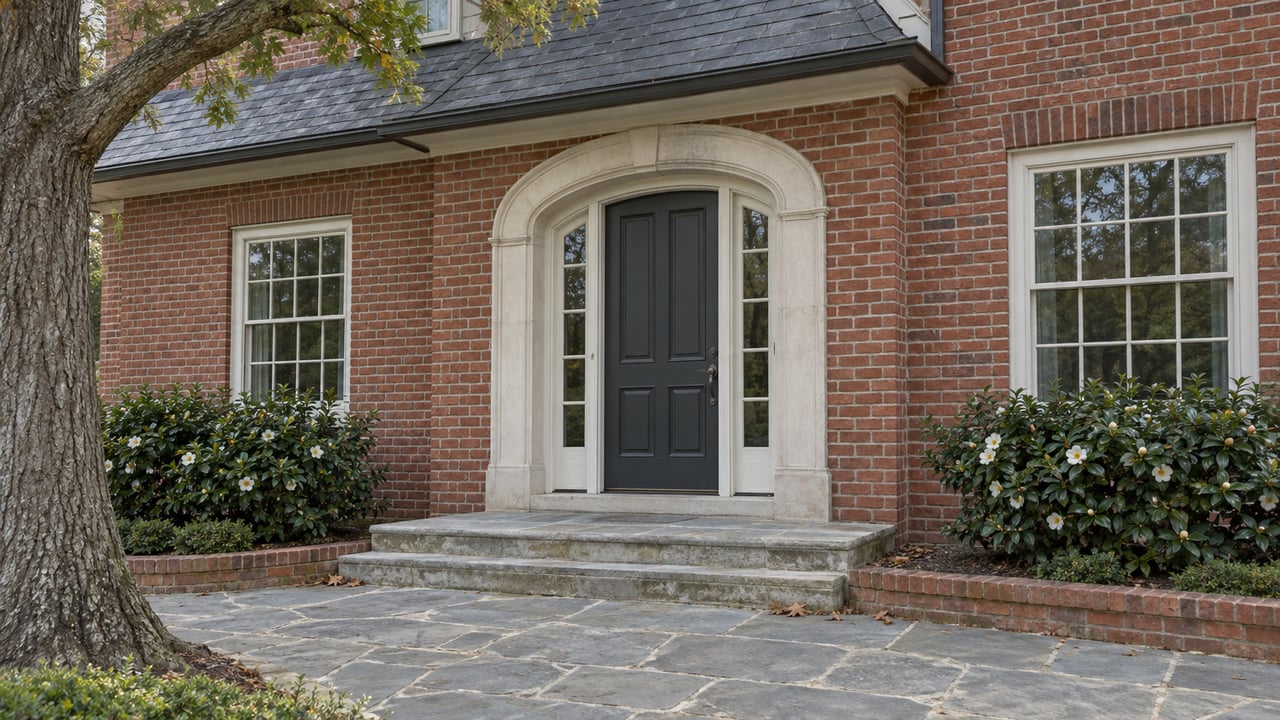
Recent award descriptions show a clear pattern. Many updated homes retain original façades, windows, doors, porches, trim, and other character-defining features while incorporating compatible rear additions or careful rehabilitation work.
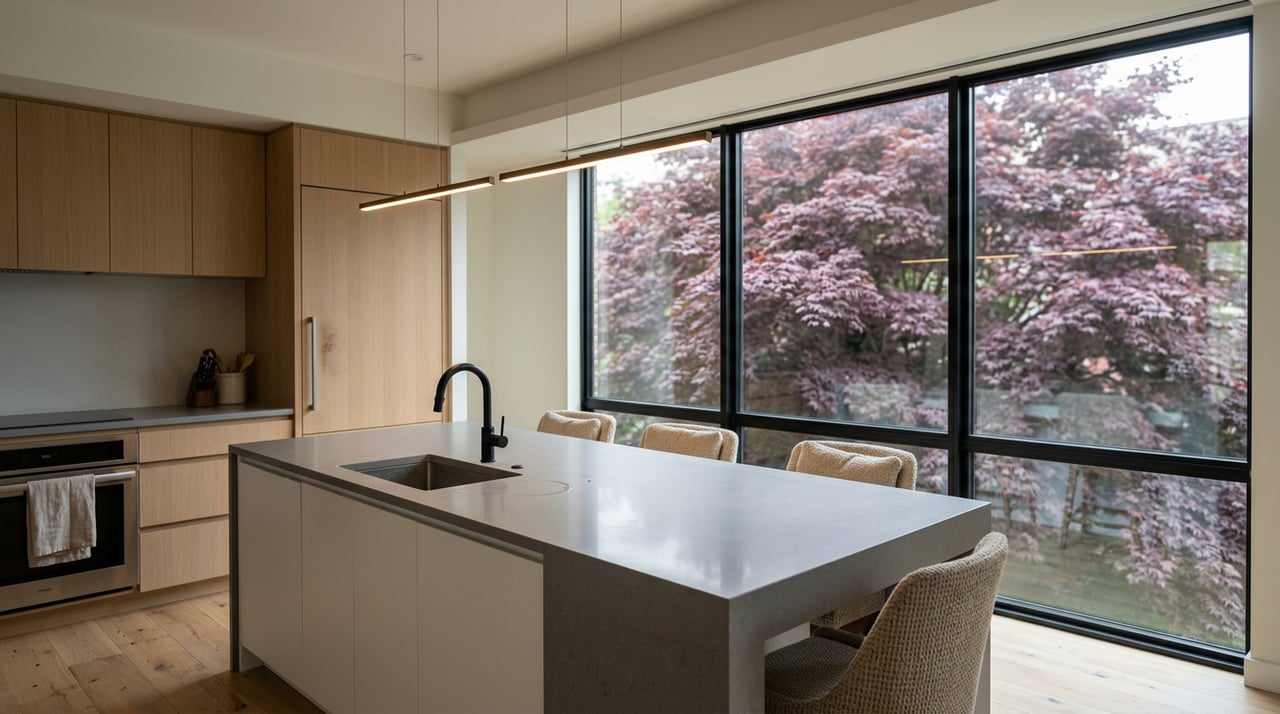
For you as a buyer, that can be encouraging. It suggests you may find homes that offer updated living while still preserving the street-facing details that give Ansley Park its identity.
More Than Single-Family Homes
Ansley Park is often associated with beautiful houses, but it is not limited to one housing type. Planning Atlanta notes that the neighborhood also includes apartments, condominiums, and townhouses.
That mix adds another layer to the neighborhood’s residential fabric. It also helps explain why a walk through Ansley Park can reveal both historic houses and other well-integrated residential forms without losing a coherent overall feel.
For buyers exploring intown Atlanta, that range can make the neighborhood worth a closer look. It offers architectural interest and a strong sense of place across more than one type of residence.
What Buyers Should Pay Attention To
If you are touring Ansley Park homes, it helps to look beyond finishes and square footage. This is a neighborhood where context can tell you as much as the house itself.
As you explore, pay attention to:
- How the home sits on its lot and relates to the street
- The role of trees, medians, and nearby park space
- Whether original street-facing details appear intact
- How additions or updates blend with the original structure
- The architectural style and how it fits into the surrounding block
These details can shape long-term appeal in a neighborhood where the whole environment contributes to value and character. In Ansley Park, curb presence is rarely just about the front door.
Why Ansley Park Continues to Draw Attention
Ansley Park remains distinctive because it offers more than historic homes alone. Its appeal comes from the combined effect of architecture, planning, and landscape, all within an intown setting close to Midtown and Piedmont Park.
For some buyers, the draw is the variety of styles. For others, it is the feeling of walking through a neighborhood where every turn reveals a different composition of house, garden, and green space.
If you are considering a move in Midtown or surrounding high-value Atlanta neighborhoods, understanding these details can help you evaluate not just a property, but the staying power of the setting around it. For a tailored, concierge-level perspective on homes and opportunities in Ansley Park and nearby neighborhoods, connect with Josephine Traina.
FAQs
What architectural styles are most common in Ansley Park homes?
- Ansley Park includes many early 20th-century styles, especially Queen Anne, Neoclassical Revival, Colonial Revival, Dutch Colonial Revival, Spanish Colonial Revival, Italian Renaissance Revival, English Vernacular Revival, and Craftsman homes.
What makes the Ansley Park streetscape different from other Atlanta neighborhoods?
- Ansley Park was planned with curving streets, mini-parks, traffic islands, and broad green space, so the neighborhood experience is shaped by both architecture and landscape.
Are Ansley Park homes only historic single-family houses?
- No. The neighborhood includes houses, apartments, condominiums, and townhouses, which gives it a mixed residential character.
How are updated homes in Ansley Park typically handled?
- Recent preservation award descriptions show that many updated homes keep important street-facing historic features while adding compatible improvements or rear additions.
Why does Ansley Park feel so walkable and scenic?
- Planning Atlanta notes that no home is more than a 10-minute walk from one of 14 parks, and the connected green spaces help create a layered, scenic walking experience.