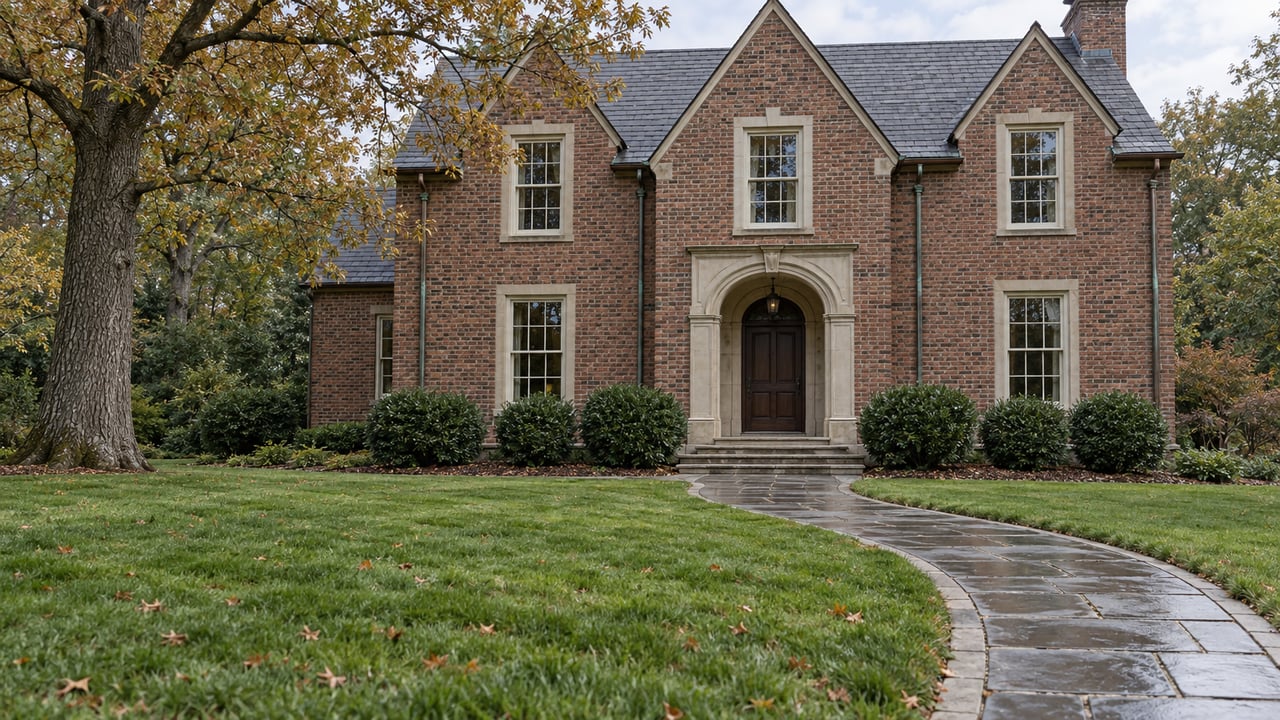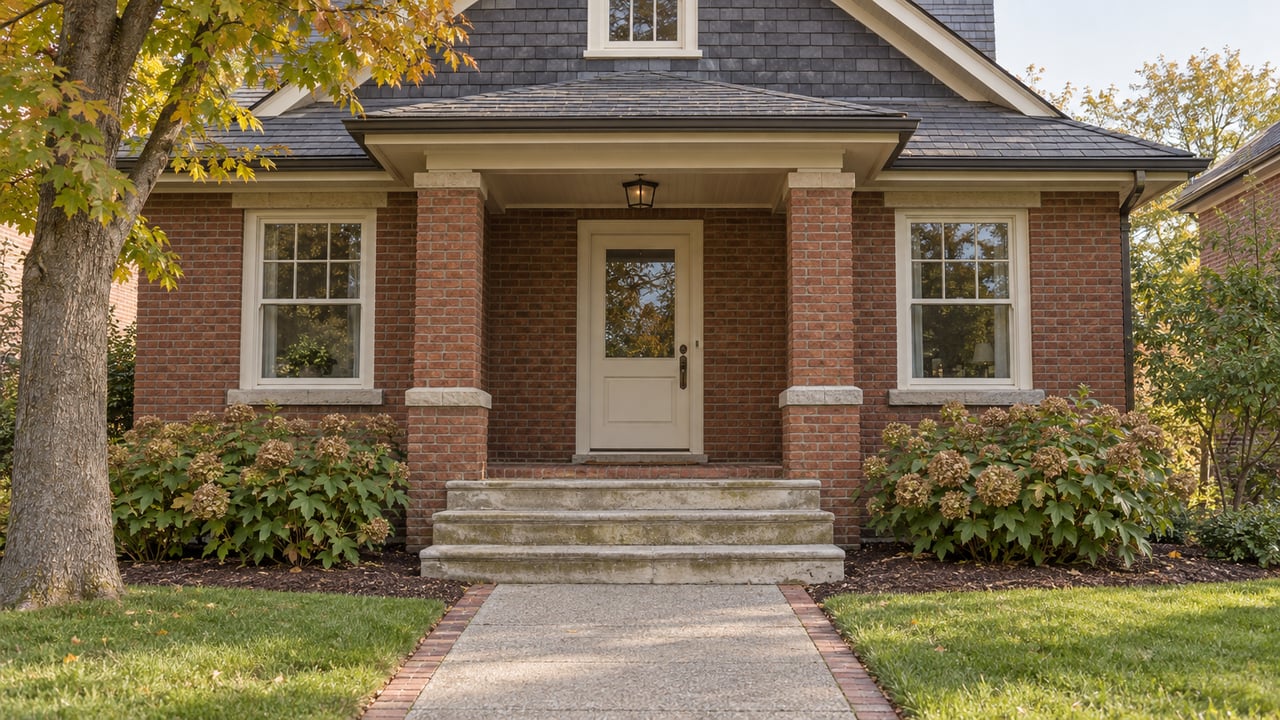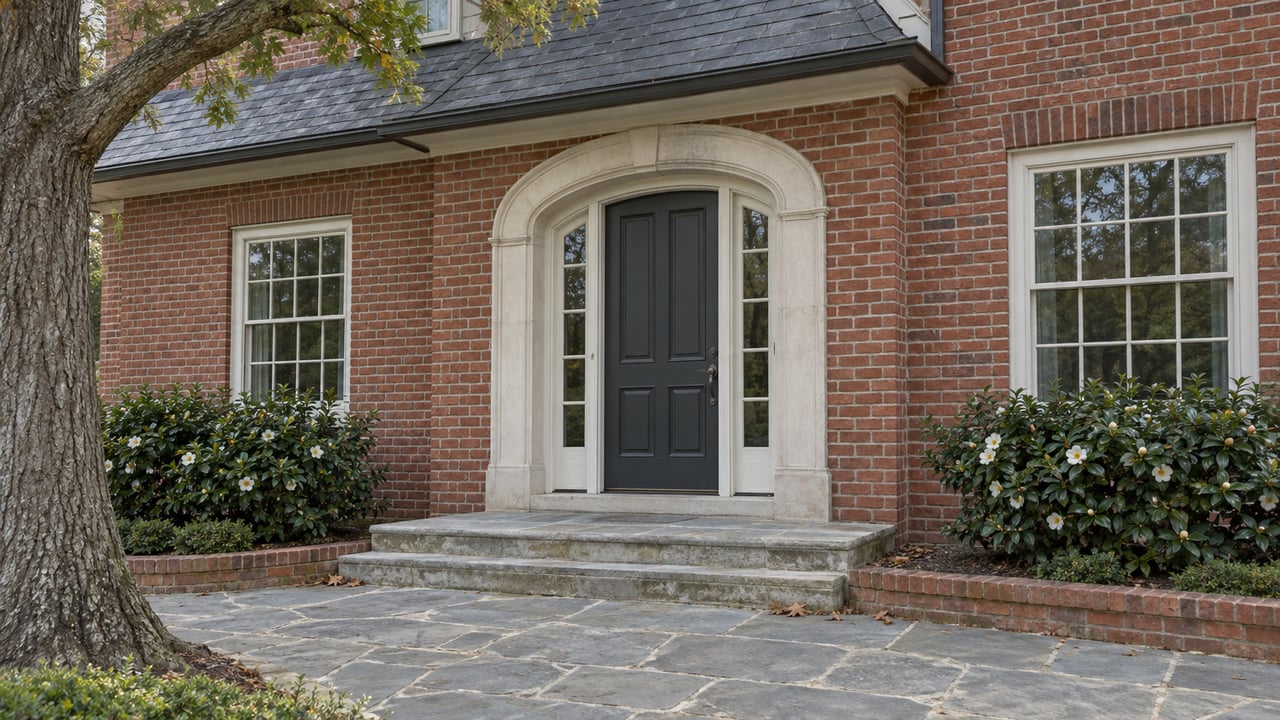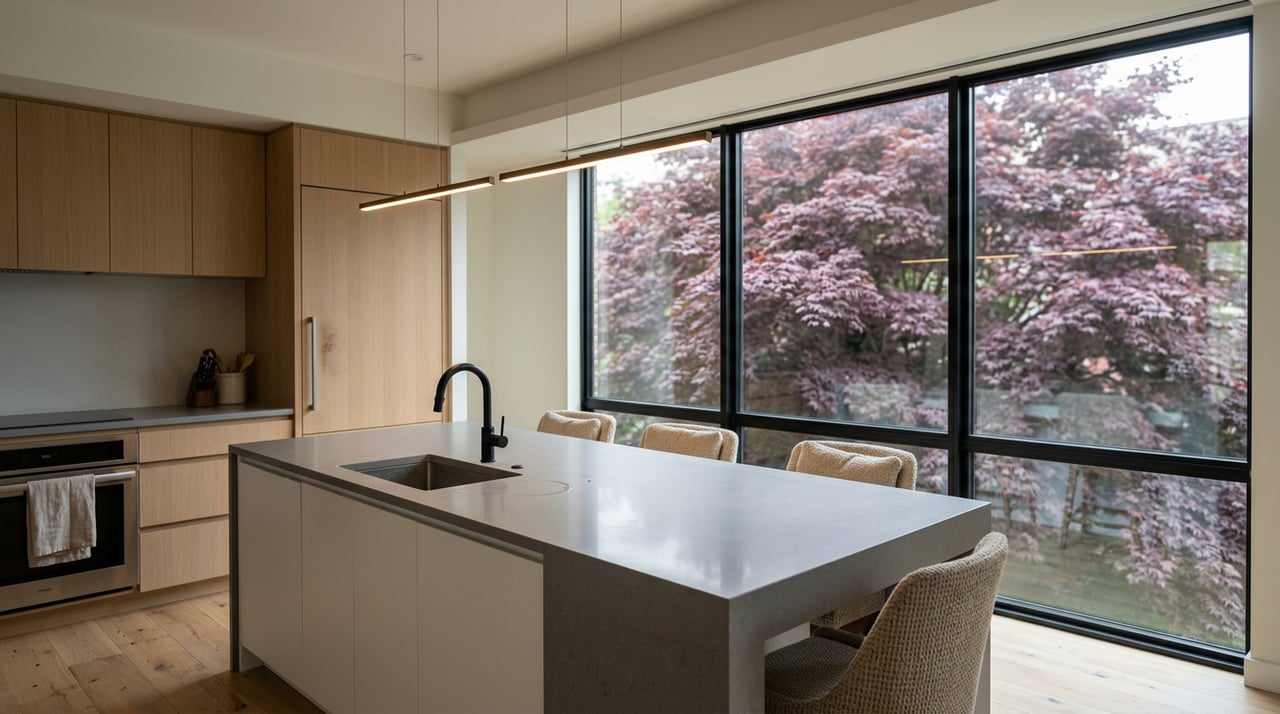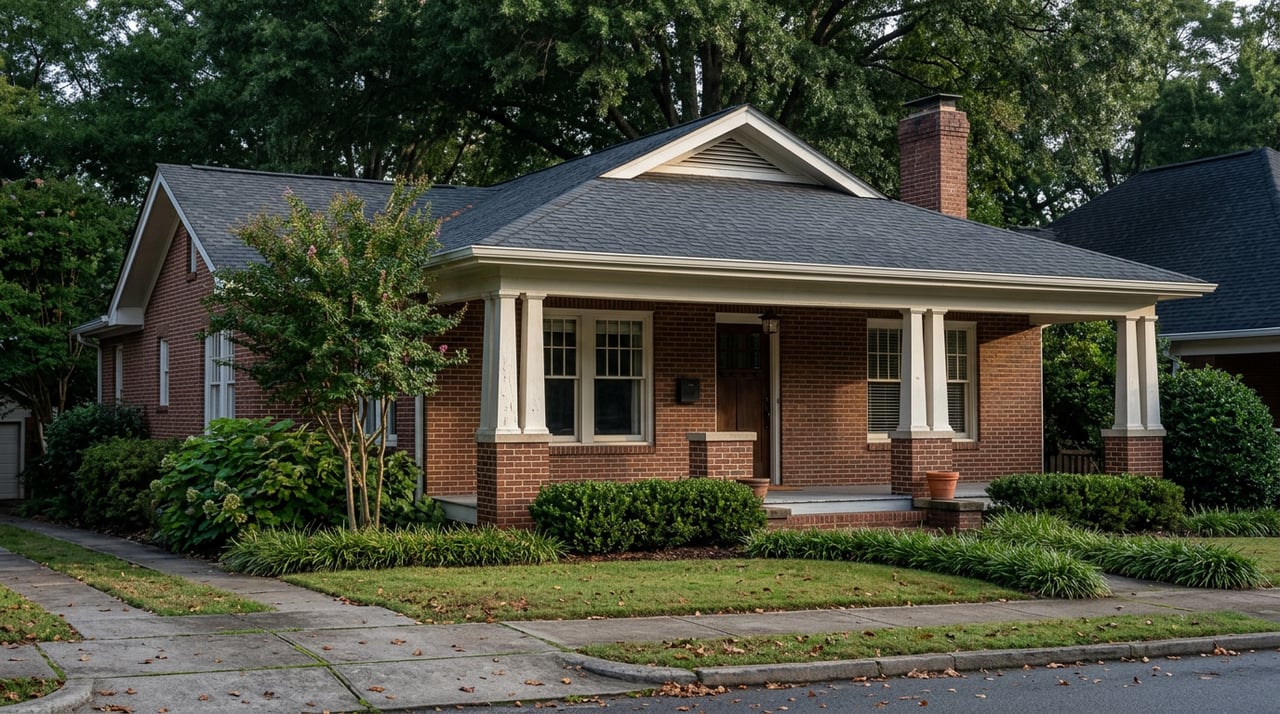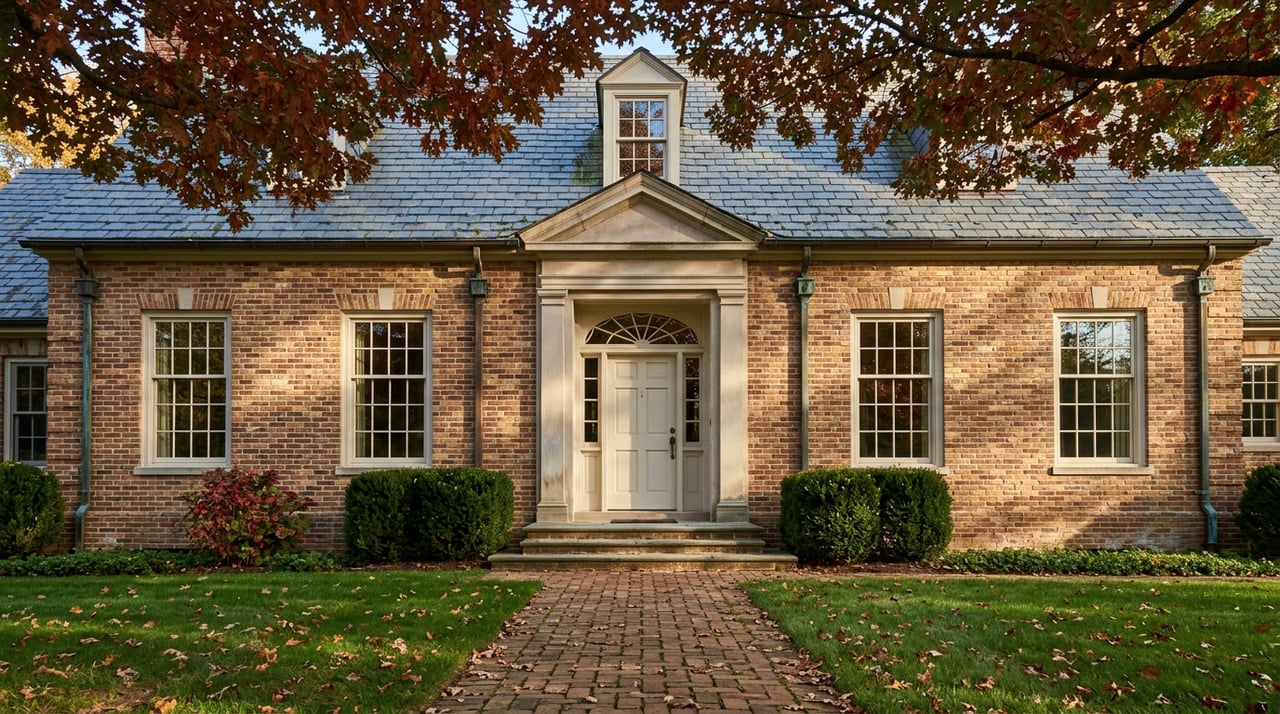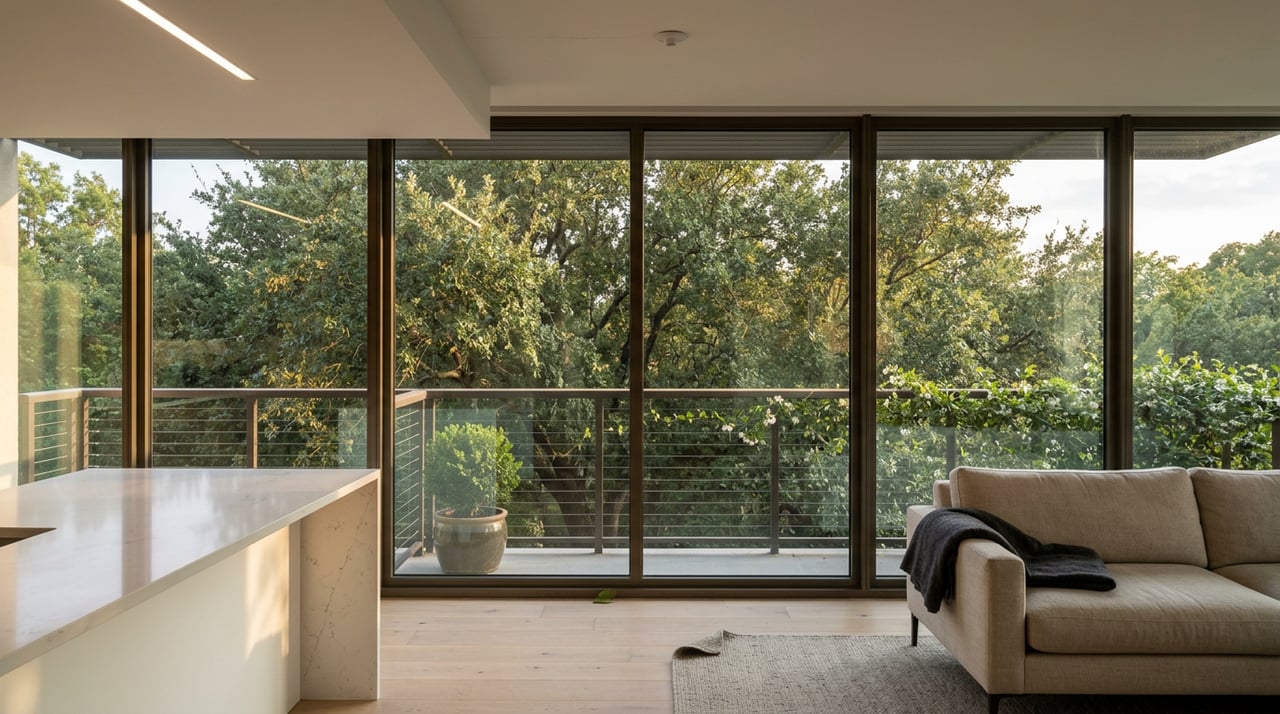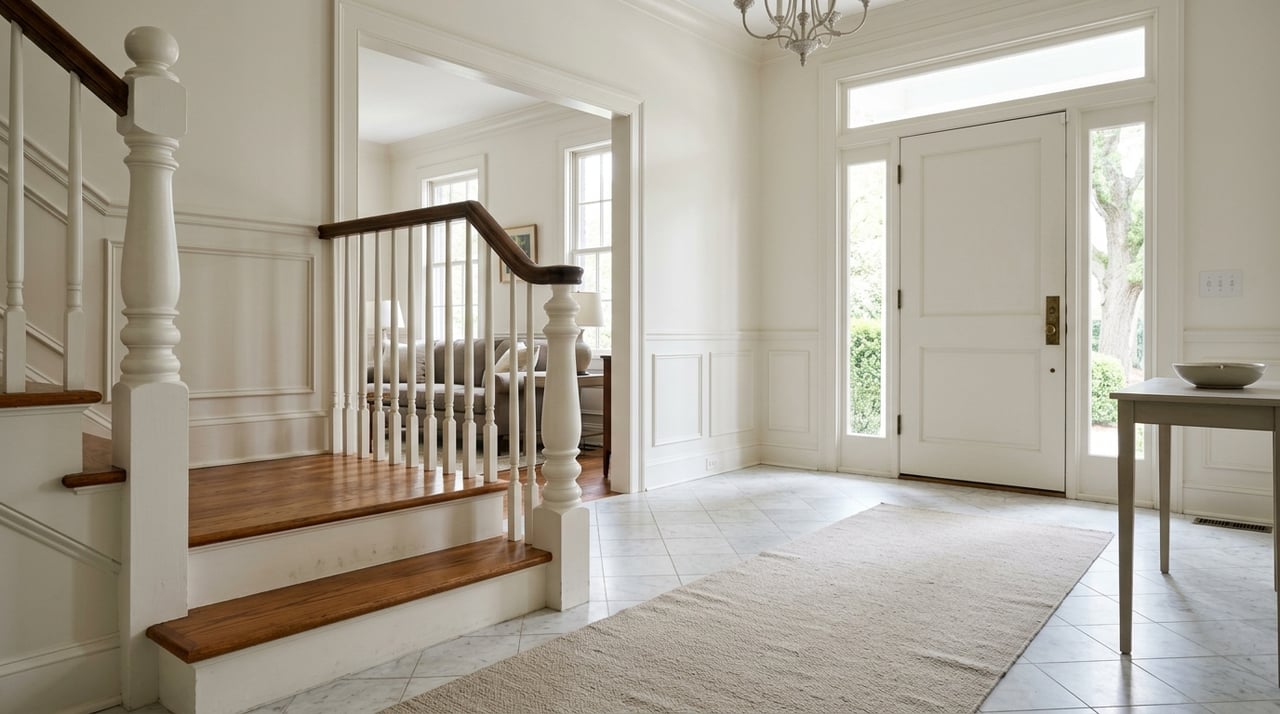
If you are getting ready to sell a historic home in Ansley Park, you are not stepping into a typical listing process. Buyers in this part of Atlanta often care about architecture, documentation, and condition details just as much as square footage and finishes. The good news is that with the right preparation, you can protect your home’s story while positioning it well for today’s market. Let’s dive in.
Why Ansley Park sales feel different
Ansley Park has a distinct identity within Atlanta. City materials describe it as a planned development just east of Midtown with curving streets and open green spaces, created more than 120 years ago by Edwin P. Ansley. The National Park Service lists the Ansley Park Historic District in the National Register of Historic Places, with the district added in 1979.
That history shapes buyer expectations. In many cases, you are speaking to a more focused buyer pool that values preserved character, intown location, and architectural integrity. That can be a major advantage, but it also means buyers may look more closely at repairs, records, and the accuracy of your pricing.
Recent market data points to a premium neighborhood that still rewards strategy. Redfin’s May 2026 data shows a median sale price of about $1.96 million, a median 56 days on market, and a 96.4% sale-to-list ratio. In practical terms, that suggests strong value, but not a market where sellers can ignore presentation or overreach on price.
Understand historic status before listing
One of the biggest misconceptions sellers face is assuming that National Register recognition automatically creates local restrictions. It does not. According to the National Park Service, National Register listing by itself does not place federal restrictions on what a private owner can do unless the property is tied to federal funding, permits, or assistance.
That distinction matters in Ansley Park. A 2025 City of Atlanta neighborhood conservation study says residents voted twice on local historic designation, most recently in 2023, and the initiative did not pass. So, you should not assume the entire neighborhood is governed by local historic-district controls.
The better approach is to verify your specific parcel early. The City of Atlanta Historic Preservation Studio recommends using the city’s GIS Property Info map to confirm whether your property falls within a Historic District, Landmark District, or another zoning category. If you are planning exterior work before listing, the city says designation and scope of work determine whether review or a Certificate of Appropriateness may be required.
Verify pre-listing work carefully
If you want to freshen up the exterior before your home hits the market, pause before making assumptions. The key question is not simply whether the home is old or historic in character. The real question is what applies to your specific parcel and whether your planned work triggers city review.
This is especially important for visible exterior elements. If you replace, alter, or remove original features without checking first, you may create avoidable issues during the sale process. Early verification can help you avoid delays and answer buyer questions with confidence.
Disclosure matters in Georgia
Georgia’s legal framework is important when you sell an older home. Georgia follows caveat emptor, which means there is no implied warranty as to the property’s condition. Even so, Georgia law requires a broker working for a seller to disclose known adverse material facts that a buyer could not reasonably discover.
That standard can reach beyond the house itself. The statute specifically includes immediate neighborhood conditions within one mile, with examples such as flood plains, zoning, and recorded plats and maps. For sellers in Ansley Park, that makes careful documentation and early review especially valuable.
If your home was built before 1978, lead-based paint disclosure rules also apply. The EPA says sellers must disclose known lead-based paint information before contract signing, provide any available records or reports, give the buyer the required lead safety pamphlet, include the required warning statement, and allow a 10-day opportunity for a lead inspection or risk assessment unless that period is waived.
Older homes are more likely to raise lead questions. The EPA reports that some lead-based paint is present in 87% of homes built before 1940 and 24% of homes built between 1960 and 1978. If your home falls into that age range, it is smart to organize the information well before you go live.
Build a strong documentation file
For a historic Ansley Park sale, paperwork can be almost as important as presentation. A clean, organized documentation file helps reduce uncertainty and gives serious buyers confidence in how the home has been maintained.
Try to gather:
- Permits
- Invoices
- Prior inspection reports
- Surveys
- Contractor reports
- Warranties
- Records of repairs or replacements
- Notes on what remains original
This file can support disclosure conversations and help explain older work that may not be obvious during a showing. It also makes it easier to answer detailed questions from buyers who are paying close attention to the home’s history and condition.
Preserve character while preparing the home
The goal before listing is usually not to erase age. It is to reduce buyer hesitation while protecting the home’s architectural identity. That balance matters in a neighborhood where character is part of the value proposition.
Preservation guidance generally favors repair over replacement when possible. The National Park Service says deteriorated historic features should be repaired rather than replaced when feasible, and if replacement is necessary, the new feature should match the old in design, color, texture, and visual qualities.
Windows are a common example. National Park Service guidance says repair should be the first option considered for historic windows, with replacement reserved for cases where deterioration makes repair impractical. For sellers, that can be a useful lens when deciding what work is worth doing before launch.
Focus on improvements that support confidence
In many cases, the best pre-listing investments are the ones that make buyers feel secure. Cosmetic cleanup, servicing major systems, addressing roof or drainage concerns, and documenting completed repairs can all help strengthen your position.
That approach often works better than over-modernizing the property. Buyers drawn to Ansley Park are often responding to authenticity as much as luxury. If the home feels well cared for and the updates are thoughtful, you can preserve its appeal without stripping away what makes it special.
Price for the market you have
Ansley Park can command impressive prices, but the market still appears selective. Redfin describes the neighborhood as somewhat competitive, with a median sale price near $2.0 million, median 56 days on market, and a 96.4% sale-to-list ratio in the three-month period ending May 2026.
That combination matters. It suggests that buyers will pay for quality and location, but they are still discerning. If a home is priced too high for its condition, level of updating, or documentation, it may sit longer than expected.
A precise pricing strategy should account for both the home’s historic appeal and its practical realities. Original details, thoughtful restorations, and documented improvements can all strengthen value. At the same time, deferred maintenance, unclear work history, or ambitious pricing can weaken momentum.
Market the story with precision
When you sell a historic home, marketing should do more than show beautiful rooms. It should explain why the home matters, how it lives today, and what has been preserved or improved over time.
In Ansley Park, the strongest listing narrative is often built around three elements:
- Architectural character
- Intown convenience
- Thoughtful updates with supporting records
Precision matters here. Buyers may want to know what is original, what has been restored, and what was upgraded under permit or with careful attention to character. The more clearly you tell that story, the easier it becomes for buyers to see both the emotional and financial value of the home.
For high-value listings, polished presentation also plays a major role. Josephine Traina pairs local market judgment with concierge-level representation and media-forward marketing, which is especially useful when your home deserves a tailored, high-touch launch rather than a generic listing approach.
What sellers should expect overall
Selling a historic Ansley Park home usually involves more nuance than a standard sale. You may need to verify designation details, organize records, evaluate repairs carefully, and prepare for buyers who ask sharper questions.
At the same time, those extra steps can work in your favor. When your pricing is grounded, your disclosures are organized, and your marketing highlights both history and livability, you give your home the best chance to stand out for the right reasons.
If you are considering a sale in Ansley Park and want a calm, strategic plan for positioning a distinctive property, connect with Josephine Traina for thoughtful, concierge-level guidance.
FAQs
Does National Register status restrict selling a home in Ansley Park?
- No. National Register listing by itself does not place federal restrictions on a private owner unless the property is involved in a project with federal assistance or permitting.
Do you need a historic permit to sell an Ansley Park home?
- Usually no. The key issue is whether planned pre-listing work changes the property in a way that triggers Atlanta review based on parcel designation and scope of work.
What disclosures matter when selling an older home in Georgia?
- Known adverse material facts, including certain neighborhood conditions a buyer could not reasonably discover, are important. If the home was built before 1978, lead-based paint disclosure rules also apply.
What repairs should sellers prioritize before listing a historic Ansley Park property?
- Focus on repairs and maintenance that build buyer confidence, such as cosmetic cleanup, systems servicing, roof or drainage attention, and well-documented corrective work.
How long might it take to sell a home in Ansley Park?
- Redfin’s May 2026 data shows a median of 56 days on market in Ansley Park, though timing can vary based on price, condition, and presentation.