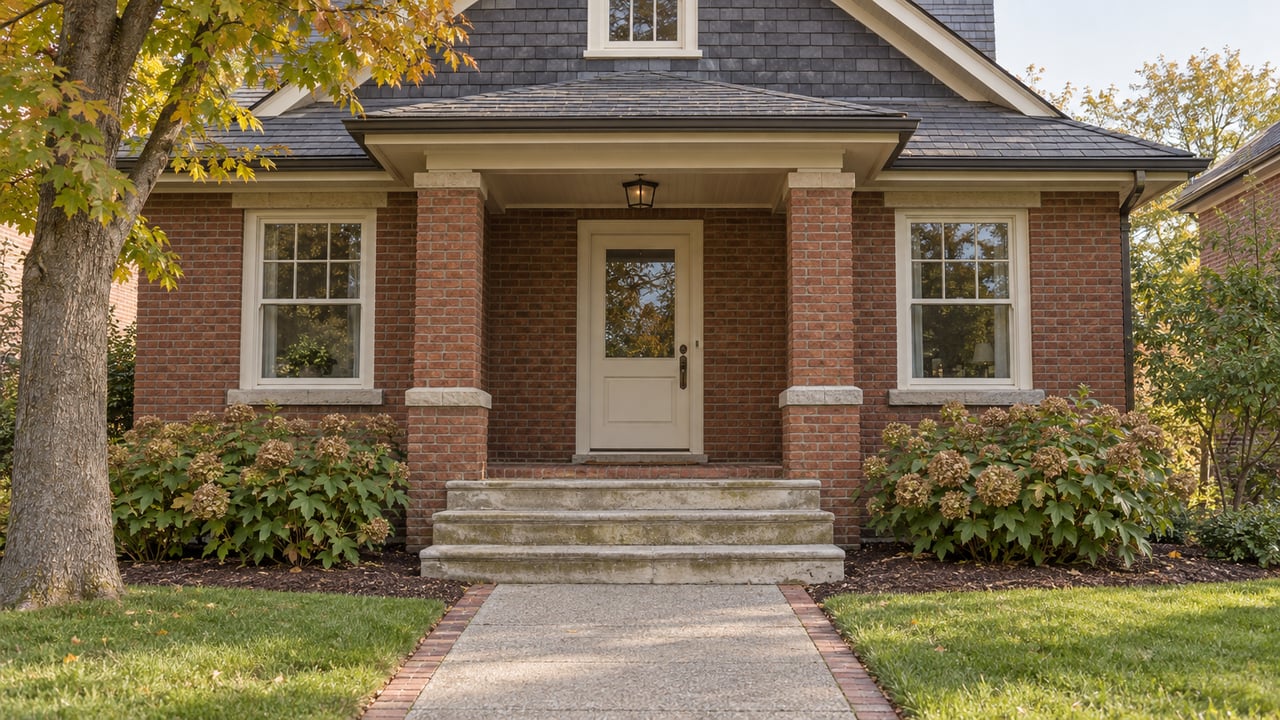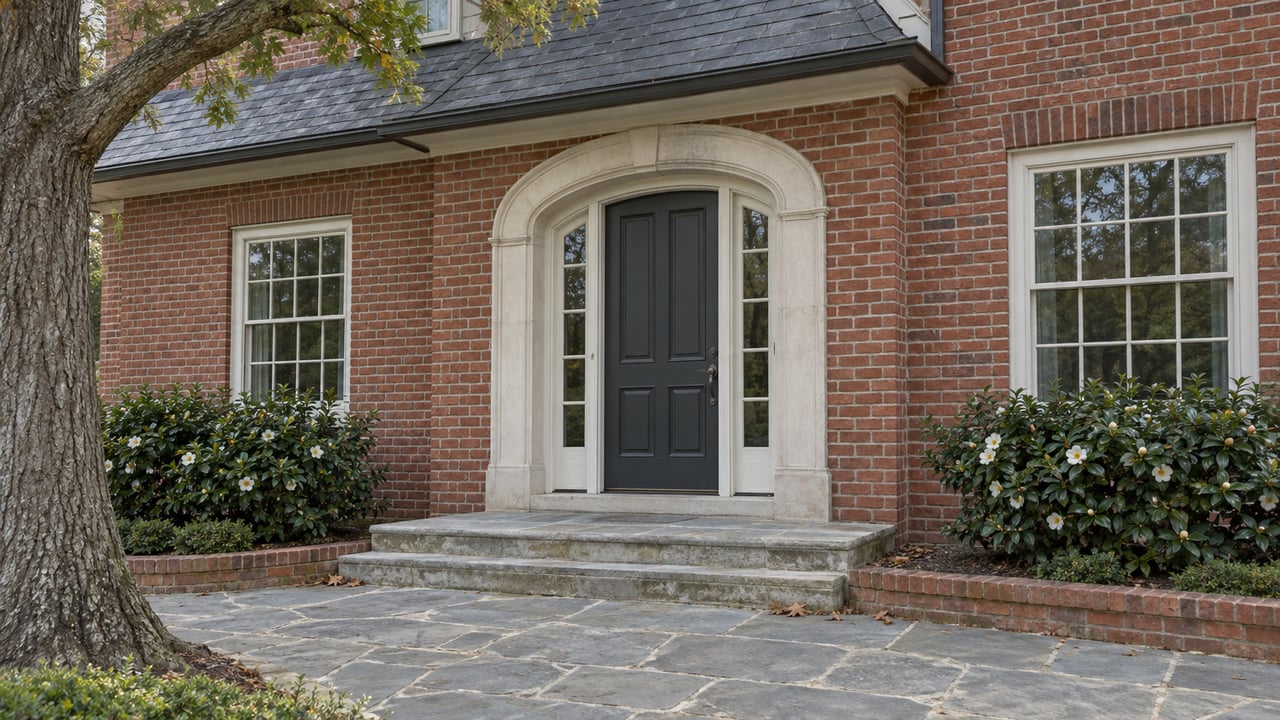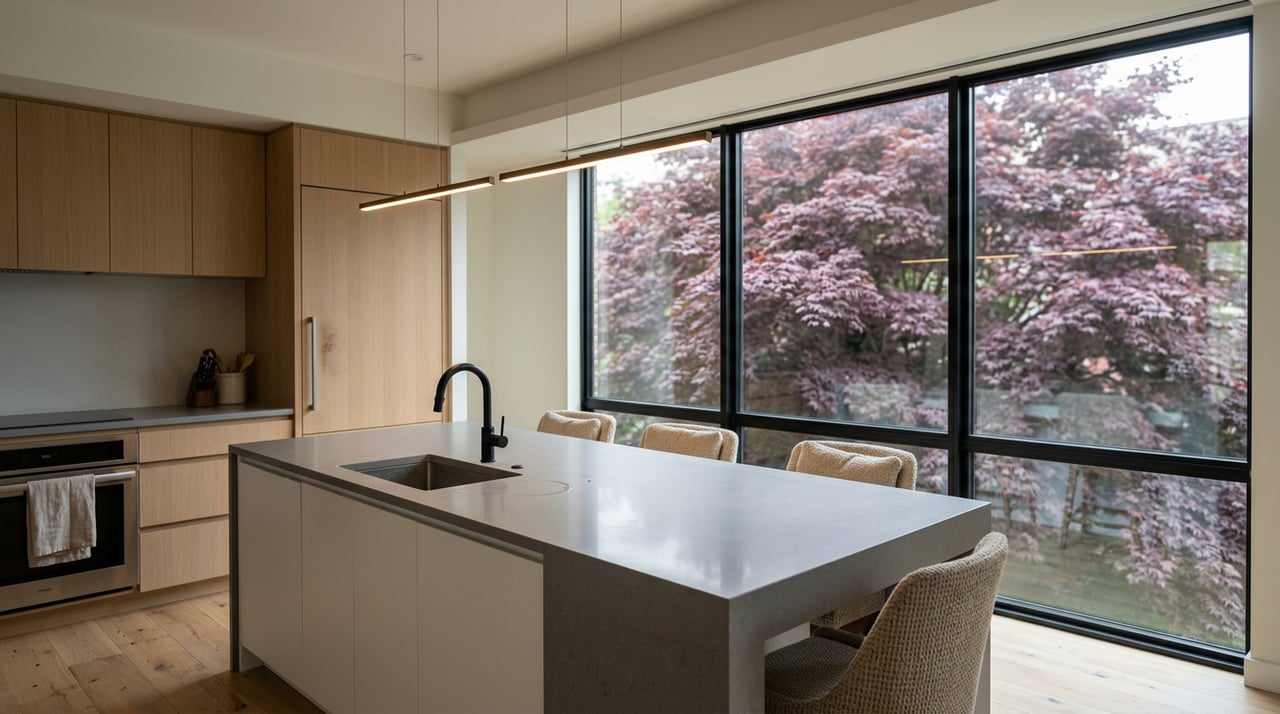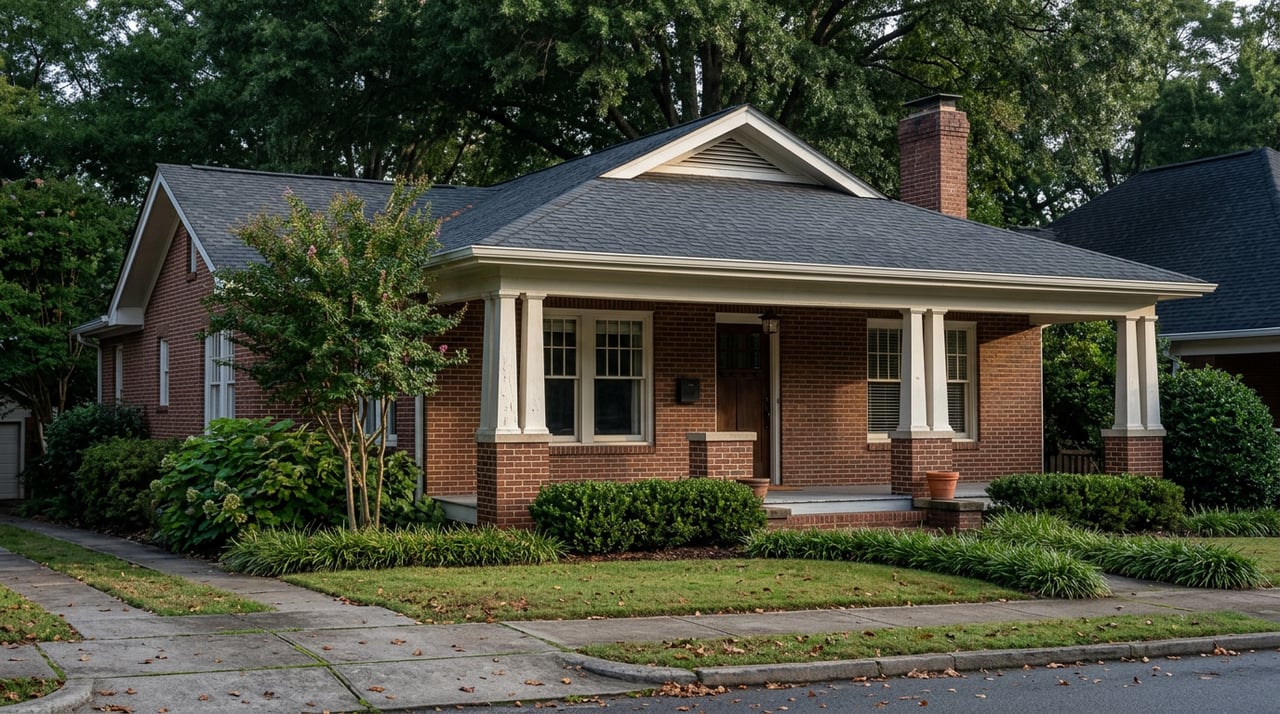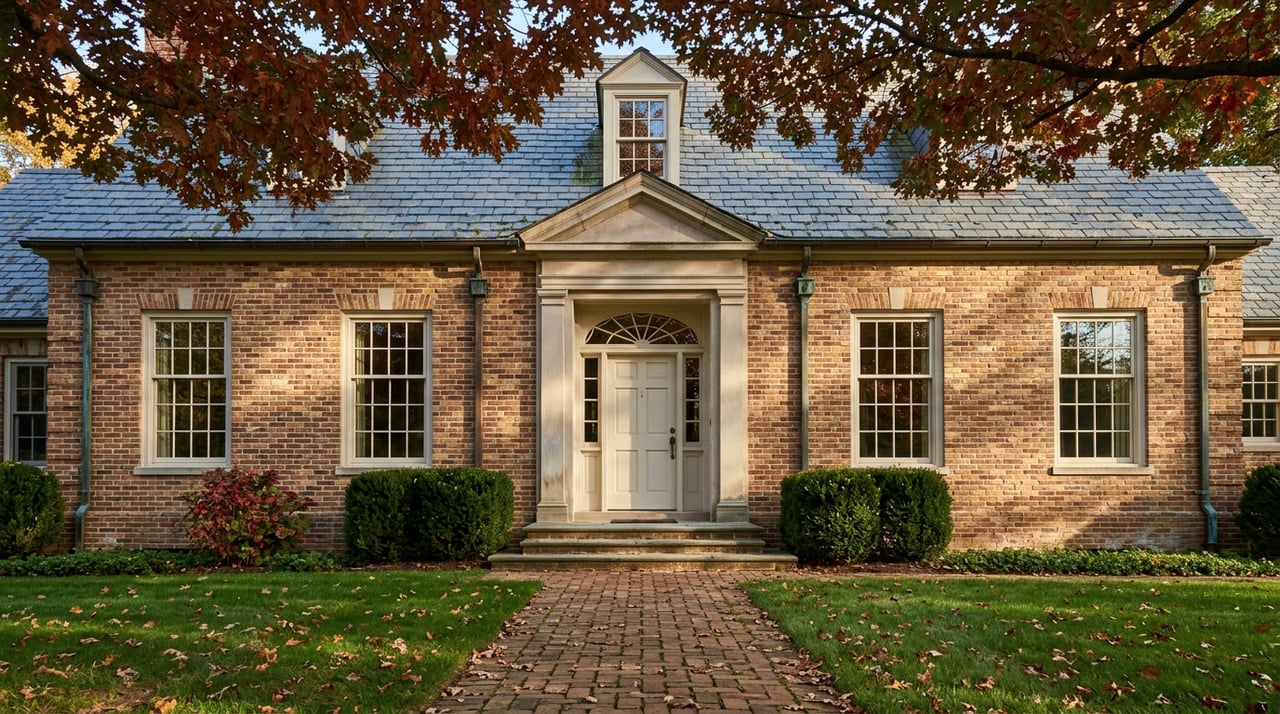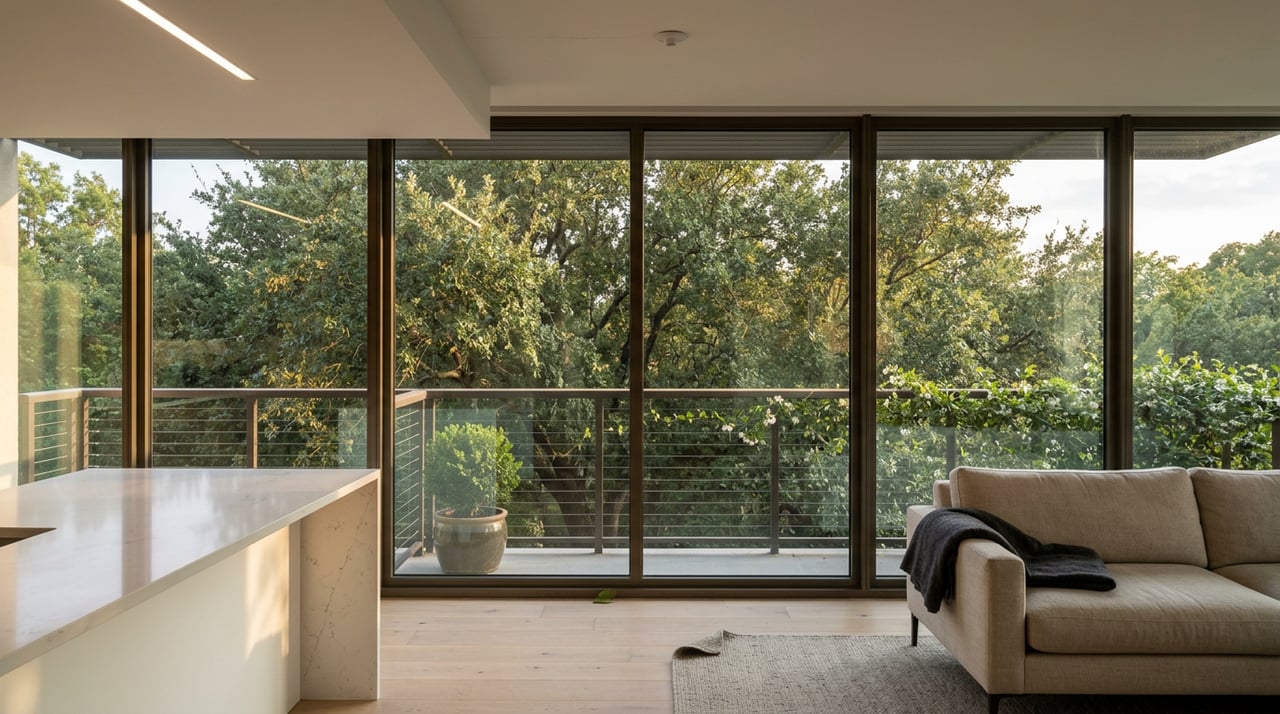
Picture two closings happening in Sandy Springs the same week this August. One buyer is signing on a single-family home off Spalding Drive that went under contract in twelve days and closed without a hitch. The other is trying to close on a two-bedroom unit at a 1999 high-rise conversion near Perimeter Mall, and her lender just asked for a reserve study, a master insurance policy, and proof the building isn't more than half owned by investors. Same city. Same month. Two completely different transactions.
That gap is not a coincidence and it is not really about the properties. It is about a letter Fannie Mae sent to lenders back in March.
The Number That Doesn't Add Up
If you have been watching Sandy Springs from the sidelines, you have probably noticed the headline numbers pulling in opposite directions. Year-to-date through April 2026, the median single-family sold price sits at $1,155,000, up nearly 36 percent from the same point a year earlier, and in April 2026 alone those homes were moving in a median of just twelve days. Condos have gone the other way over the same stretch. The year-to-date condo median sold price is down about 13 percent to $265,000, and even though condo sales volume actually rose nearly 29 percent year over year in April 2026, the typical unit still took a median of 46 days to sell, nearly four times the pace of a single-family home.
A single citywide median price averages those two stories into one number that describes neither of them accurately. If you are shopping with a $650,000 budget, whether you land in a surging single-family market or a stalling condo market depends entirely on which side of that split you're standing on, and that split has almost nothing to do with square footage, school zones, or how recently a kitchen was updated.
What Changed On August 3
On March 18, 2026, Fannie Mae issued Lender Letter LL-2026-03, and Freddie Mac followed with a matching bulletin. The headline change retired something called Limited Review, the streamlined underwriting path that a large share of condo loans had been using for years. Starting with loan applications dated August 3, 2026, most established condo buildings now require a Full Review before a lender can sell that mortgage to Fannie Mae, which is how the overwhelming majority of conventional loans get funded in the first place.
Full Review means a lender has to document a building's reserve funding, verify its master insurance policy meets new coverage minimums, and check whether too large a share of units are investor-owned. Roughly forty percent of condo purchases that used a mortgage had been relying on the old streamlined path, according to CNBC's reporting on the change, and that population is the one now getting pulled into deeper scrutiny.
Two other pieces of the same letter matter for what happens next. Master property policies now face a maximum per-unit deductible of $50,000, a rule that took effect July 1, 2026 and requires unit owners to carry their own coverage if the building's deductible sits anywhere near that ceiling. And starting January 4, 2027, the minimum reserve contribution rises from 10 percent to 15 percent of a building's annual budgeted assessment income, with the old baseline funding method, the one that just lets a reserve balance drift toward zero, no longer allowed at all. Buildings that haven't started adjusting their budgets are going to feel that one arrive fast.
If a building's finances or insurance don't hold up under that review, Fannie Mae's internal system, the Condo Project Manager, can flag it as unavailable, and a flagged building becomes very hard to finance conventionally regardless of how solid any individual buyer's credit looks. You can read the letter itself directly from Fannie Mae's Selling Guide update if you want the underwriting language firsthand.
The Buildings Feeling It First
Sandy Springs has a lot of exactly the kind of condo stock this review was built to catch. Park Towers, the high-rise off Hammond Drive near Perimeter Mall, started life as an apartment building and was converted to condominium ownership in 1999. Elizabeth Heights, a gated community off Dalrymple Road, has attached units built between 1978 and 2005 that also began as apartments before converting. Mount Vernon Towers, a 55-plus community, and the Highlands of Sandy Springs mid-rise near GA-400 round out a stock of older, mid-market buildings where reserve studies, insurance limits, and investor concentration were never designed around a 15 percent funding rule that didn't exist when the buildings were built.
That is precisely the population where a Full Review is most likely to surface a problem the seller never had to disclose under the old streamlined process.
Compare that to what's actually new in Sandy Springs right now. VIO, a boutique 17-unit project a block from City Springs at 318 Sandy Springs Circle, is nearly sold out, with remaining two-bedroom units starting around $1.18 million and a monthly HOA fee of $840, up to a penthouse near $2.24 million with an $1,380 monthly fee. Down the Chattahoochee corridor near Cochran Shoals and Ray's on the River, developer PrivCap Companies has city approval to build Aurelia, a 98-unit for-sale project designed by Vickers Design Group, with groundbreaking not planned until the first quarter of 2027.
New buildings like these carry brand-new reserve studies and fresh insurance policies built to current standards, which helps. But the bigger reason they aren't feeling the same drag is simpler: buyers writing seven-figure checks at that price point are disproportionately paying cash or using jumbo and portfolio loans that never touch Fannie Mae's desk in the first place. The GSE review pipeline mostly governs conforming loans, and conforming loans are exactly what most buyers of a $250,000 unit in a 1999 conversion still need.
Why The Houses Aren't Waiting
The single-family side of this story has its own driver, and it's worth naming because it explains why price gains haven't slowed even as mortgage rates stay elevated. In May 2026, the Sandy Springs City Council unanimously approved three new subdivisions adding twenty-six single-family homes across the city where only seven had stood before. The largest sits along Spalding Drive near the Dunwoody border, where five lots were rezoned from a one-acre minimum down to 9,000 square feet to allow a 21-home subdivision.
That rezoning is a rare crack in a very tight lot supply, and it tells you something about where this market's ceiling sits. At the same May hearing, a council member pointed out that consolidating one of the other approved subdivisions into fewer, larger lots would have pushed individual home prices to three or four million dollars, a reminder of how quickly this market snaps back toward the luxury end the moment lot count shrinks. Even with new lots coming online, Sandy Springs single-family inventory remains scarce enough that added supply is landing into demand that hasn't slowed down, not demand that's finally catching up to supply.
What This Means If You're Buying Or Selling A Condo Right Now
If you're on either side of a condo transaction in Sandy Springs this fall, the diligence window just got longer and the questions that matter just changed. Before you write an offer, or before you accept one:
- Ask for the building's most recent reserve study and check how recently it was completed. Anything older than 36 months is going to draw extra attention under the new rules.
- Ask what percentage of units are investor-owned. Fannie Mae dropped its 50 percent investor concentration cap for established buildings this year, which actually helps investor-heavy buildings that used to fail on that count alone, but the number still gets checked.
- Ask for the master policy's per-unit deductible. If it's approaching the new $50,000 ceiling, you'll want your own HO-6 policy lined up before closing, not after.
- Build extra time into your contract timeline. A file that would have cleared Limited Review in a week may now need a full Condo Project Manager certification, and that process is not instant.
Sellers of older condo stock should treat this as a pricing and marketing question, not just a paperwork one. A building with clean reserves and a recent insurance renewal is going to attract a wider buyer pool than one that doesn't, and that gap is only going to widen as the January 2027 reserve deadline gets closer.
A Few Questions Worth Asking Before You Sign
Does this apply to every condo purchase, or just ones using a mortgage? It applies specifically to loans a lender intends to sell to Fannie Mae or Freddie Mac. Cash buyers and buyers using portfolio or jumbo loans outside the conforming limit aren't subject to Full Review, which is part of why new luxury product has felt less friction so far.
Will this ease up once buildings catch up on reserves? Possibly, but the reserve funding requirement doesn't even take effect until January 4, 2027, so most buildings haven't had to comply yet. Expect the Full Review process itself, which took effect August 3, 2026, to keep shaping condo transactions well before the reserve deadline arrives.
Is this a Sandy Springs problem or a nationwide one? The lending rule is national. What makes it a Sandy Springs story is the specific mix of housing stock here, a meaningful share of older conversions and mid-century buildings sitting right next to a small but growing pipeline of new luxury product, which makes the split unusually visible.
If you're weighing a condo purchase against a single-family home in Sandy Springs, or you're sitting on an older unit and wondering what a Full Review might turn up before you list, that's exactly the kind of question worth working through with someone who tracks this market closely rather than guessing from a portal search. Josephine Traina has spent three decades guiding clients through exactly this kind of shift in Atlanta's premium neighborhoods, and she can walk you through what your specific building, or your specific offer, actually looks like under the new rules. Book a 15 to 30 minute consultation and get a straight answer before you're mid-contract and finding out the hard way.