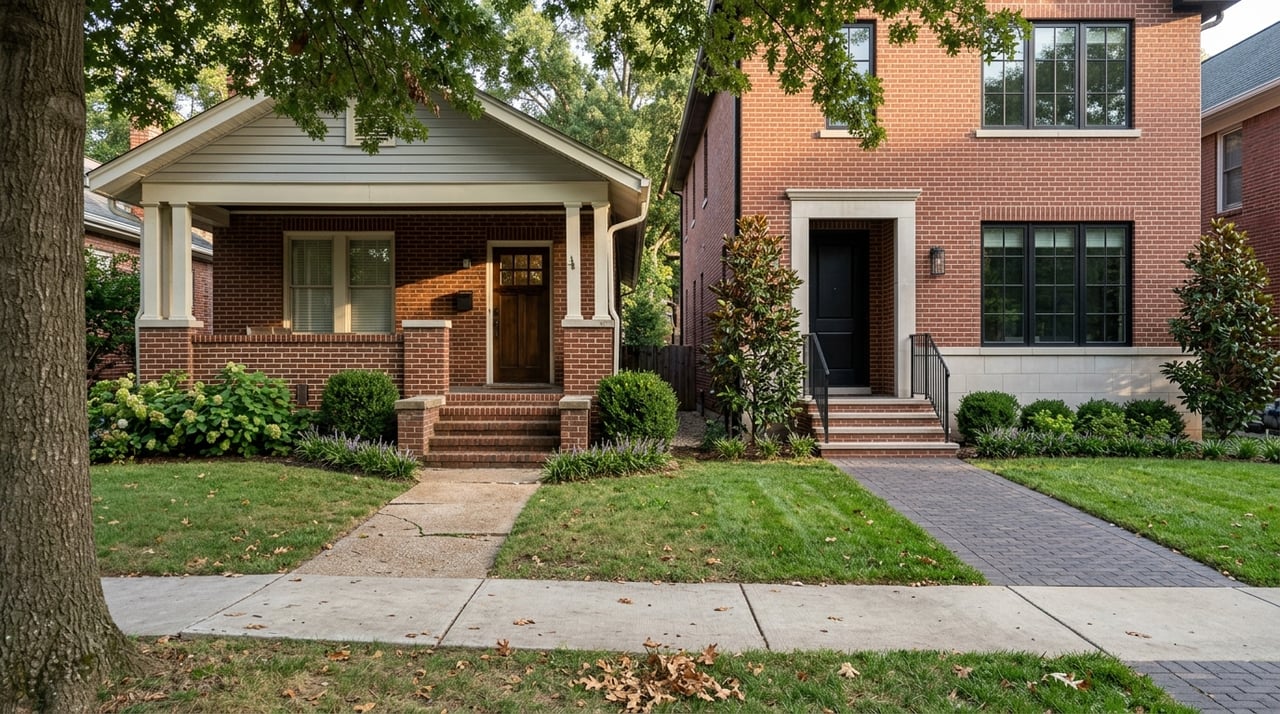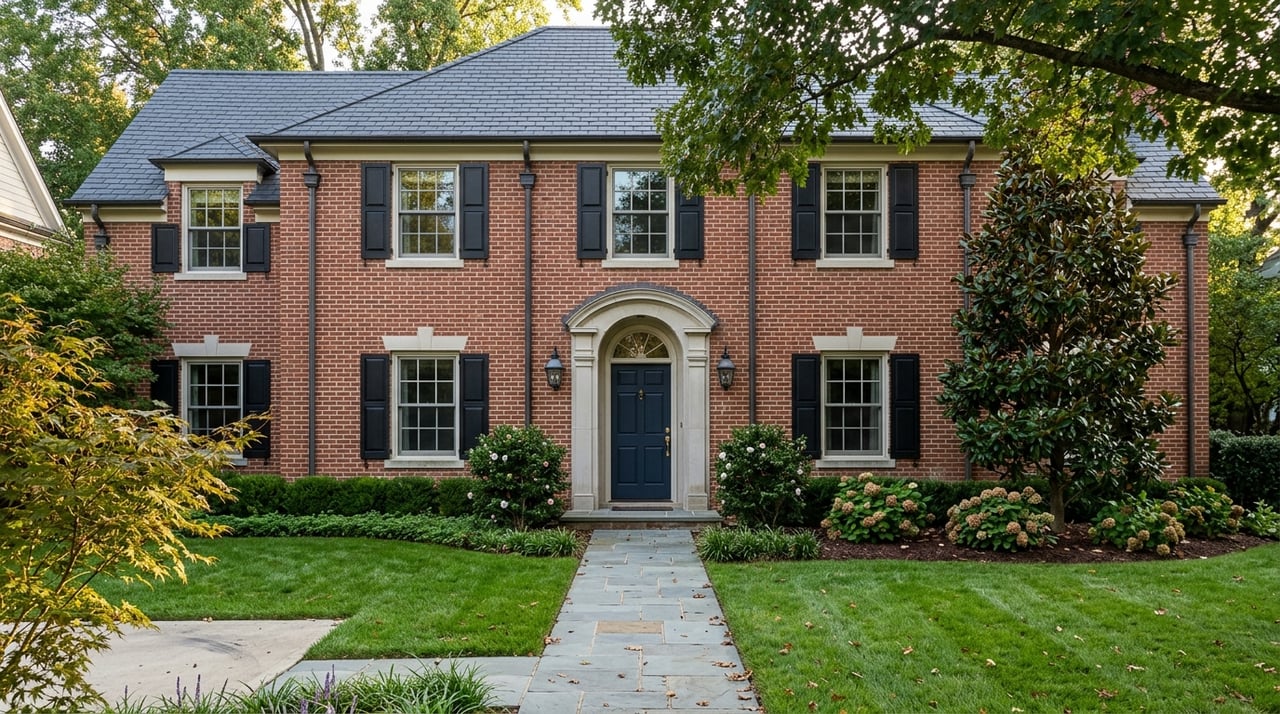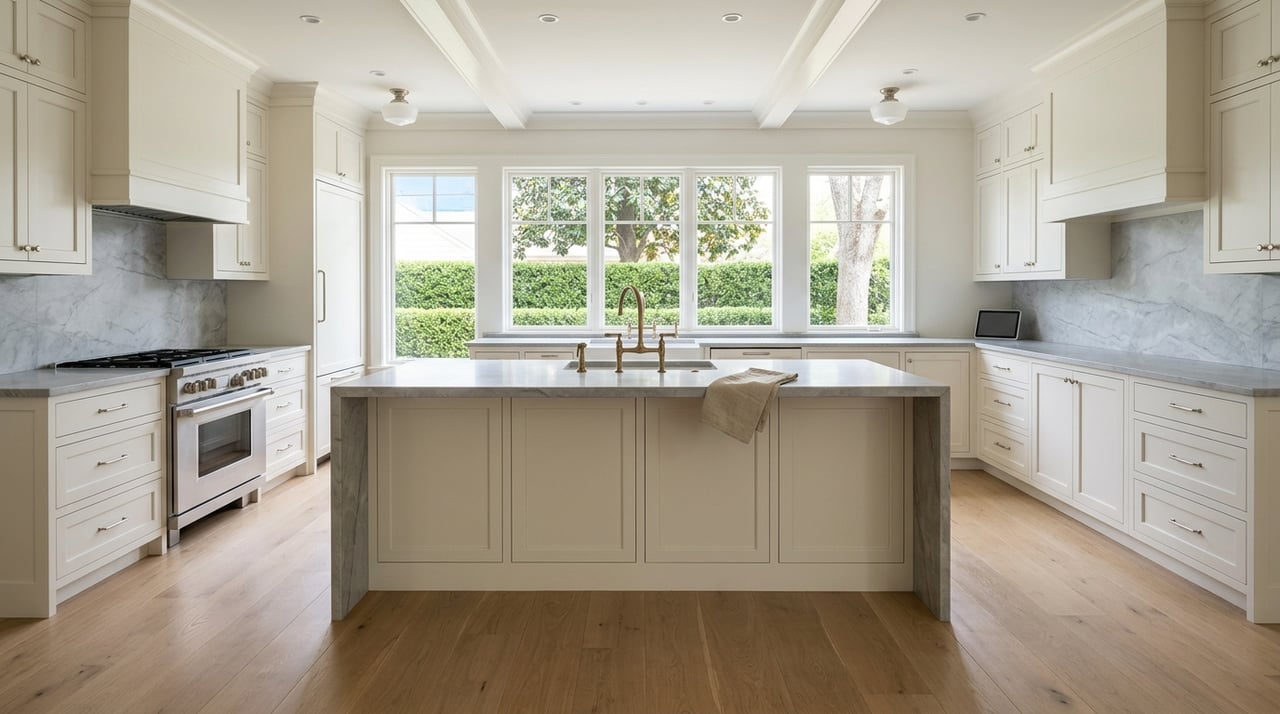
Thinking about selling in Chastain Park and torn between a renovation and a full rebuild? You are not alone. This choice affects your timeline, risk, and final sale price, and the right path depends on your lot, your home’s condition, and what high-end buyers in the neighborhood want. In this guide, you will learn how buyers value renovated homes vs new builds, how to gauge land value, what permits and timelines look like in the City of Atlanta, and a simple decision framework you can act on today. Let’s dive in.
What buyers want in Chastain Park
Chastain Park attracts affluent buyers who prize privacy, large lots, and seamless indoor and outdoor living near park amenities and Buckhead’s commercial hubs. Many are move-up owners and executives who want upscale finishes and convenience.
Buyers typically pay a premium for:
- Open layouts and high-end finishes
- Updated mechanicals and energy efficiency
- Smart home tech and resilient construction
- Indoor and outdoor flow with terraces or pools
- Garages that fit modern vehicles and private, landscaped lots
Renovated homes that deliver modern layouts and systems at a lower price point than new construction often sell faster to buyers who want to avoid a long build timeline. New custom builds can maximize price per square foot on prime lots, though they require more time and attract a buyer willing to pay for a turnkey, custom product.
Start with land value
If you are weighing a rebuild, first understand your lot’s “tear-down” value. Lot value is the price a buyer would pay for the land alone, usually calculated by subtracting total development costs and target profit from the expected value of a completed new home.
Ways to estimate lot value:
- Direct land comps: pull recent vacant lot or tear-down sales nearby and adjust for size, topography, and proximity to the park.
- Residual land valuation: estimate finished value, then subtract build costs and profit to back into land value.
- Appraiser opinion: work with a professional who understands Buckhead and Chastain Park’s highest and best use patterns.
Parcel factors that materially affect value include lot size and shape, street frontage, mature trees, grades and slopes, any stream or floodplain, access to utilities, and recorded covenants or easements. Street context also matters, including closeness to park entrances, the amphitheater, busier roads, and quiet cul-de-sacs.
Zoning and buildability checks
Before you commit to a plan, confirm the parcel’s zoning district and any overlay that affects setbacks, height, lot coverage, and permitted uses. In the City of Atlanta, the Tree Protection Ordinance regulates removal of significant trees and often requires arborist reports and mitigation. Stormwater rules can also shape the site plan, especially when increasing impervious surfaces.
If you plan to rebuild, early site feasibility with an architect and civil engineer can reveal your true buildable envelope and flag issues tied to protected trees, drainage, or neighbor-facing design concerns. Many Chastain Park properties also have neighborhood covenants or active civic associations with informal design expectations, so it pays to ask early.
Renovate vs rebuild: cost and timeline
In the luxury segment, costs vary with scope and finishes. Typical ranges in the Atlanta market include:
- Major full-gut renovation with structural changes and modern systems: often 150 to 350 dollars per square foot, timeline 6 to 12 months.
- Custom new construction with luxury finishes and pool or landscaping: often starts in the mid 200s per square foot and can exceed 400 dollars per square foot, timeline 12 to 18 months.
Budget for soft costs such as design and architect fees, engineering, permitting, site work, landscaping, furniture staging, and a contingency of 10 to 20 percent. Renovations can reach the market faster and reduce holding risk, though they may not capture the same per-square-foot price as a new custom build on a top-tier lot. Rebuilds may maximize price on prime parcels but bring longer timelines and higher exposure to cost overruns.
Financing and carry costs
Financing options exist for both paths:
- Renovation loans: conventional mortgages with renovation add-ons, Fannie Mae HomeStyle, FHA 203(k), or construction-to-permanent loans that fund improvements based on finished value.
- Tear-down to new build: construction loans that convert to permanent financing, typically with detailed budgets and higher down payments.
Carry costs increase with longer timelines. Factor in property taxes, insurance, interest, utilities, and the opportunity cost of your capital while permits and construction run their course.
City of Atlanta permits and timelines
Plan for a multi-step process that can influence your sale timing.
Typical sequence:
- Demolition permit: needed to remove an existing structure. Older homes may require asbestos and lead surveys and utility disconnects.
- Building permit: for new construction or major renovations. Plans are reviewed for structural, life-safety, and energy compliance.
- Site development or land disturbance permit: addresses grading, erosion and sediment control, and stormwater management. Some projects need on-site detention or retention.
- Tree permit and protection: significant trees are regulated, and mitigation or replacement may be required with an arborist report.
- Civil and site plan approval: grading, utilities, and stormwater plans may be reviewed by multiple departments.
- Right-of-way or driveway permits: required if modifying access or curb cuts.
Typical review timelines vary by complexity and completeness. Demolition permits can take several weeks, often 3 to 6. Building plan review can run a few weeks for small renovations and 4 to 12 or more weeks for a full custom home. Tree and site permits may add weeks, sometimes in parallel. After permits, plan on 12 to 18 months for a luxury tear-down and rebuild and 6 to 12 months for a major renovation, depending on the builder and scope.
Local specifics to watch include the Tree Protection Ordinance and stormwater requirements, neighborhood covenants or expectations, and coordination with utilities and the Atlanta Water Department. Engage an experienced team to streamline submittals and reduce review cycles.
A simple decision checklist
Use these questions to frame your choice:
- Structure and systems: Is the home fundamentally sound? If repair costs exceed roughly 50 to 60 percent of replacement, a rebuild often makes more sense.
- Floorplate flexibility: Can you create a modern, open plan without excessive structural changes? If not, rebuilding may be more practical.
- Lot potential: Does land value and block context support a new custom home that justifies rebuild costs?
- Zoning and trees: Will setbacks, lot coverage, height limits, or protected trees constrain your plan? If so, renovation may be a better fit.
- Time horizon: Do you need a faster sale? A targeted renovation or refresh can bring you to market sooner.
- Cost vs resale: Model renovation and rebuild budgets alongside likely sale prices for each scenario.
- Neighborhood fit: Will a modern new build or a historically styled, updated home best match buyer expectations on your street?
Step-by-step plan for sellers and heirs
- Start with an experienced Chastain Park listing agent to review buyer appetite and recent tear-down comps.
- Order a basic condition assessment from a structural engineer and home inspector.
- Get an appraiser’s estimate of lot value plus probable after-renovation and after-build values.
- If rebuilding is viable, run site feasibility with an architect and civil engineer, and engage an arborist to flag tree impacts early.
- Obtain two to three written estimates for both a major renovation and a custom new build, including soft costs.
- Analyze carry costs, taxes, and timeline. Heirs should consult a CPA and estate attorney regarding basis and probate.
- Decide on a path, then assemble the team and align your listing strategy, whether as-is, renovated, or marketed alongside an approved new build plan.
When to sell as-is, renovate, or rebuild
- Sell as-is if the structure is compromised, the lot is highly valuable to builders, or probate timing favors a faster disposition. Pricing the land correctly can attract builder interest quickly.
- Renovate if the home is sound, the layout can be modernized efficiently, and you want to reach market sooner with less risk. Focus on kitchens, primary suites, mechanicals, indoor and outdoor connections, and curb appeal.
- Rebuild if the lot is premium, zoning allows your target envelope, and buyer demand supports a new custom home. Expect a longer horizon and higher carry costs in exchange for a potentially higher top-line sale.
How marketing impacts your outcome
In Chastain Park, exposure and positioning are everything. Luxury buyers respond to cinematic marketing, clear project narratives, and evidence of quality. Whether you choose to renovate before listing or sell a prime lot with plans, pair your strategy with expert pricing, polished presentation, and targeted outreach to qualified buyers.
If you want a confidential review of your options, connect with Josephine Traina for a data-informed plan, vetted vendor introductions, and elevated marketing execution. Book Your 15–30 Minute Consultation.
FAQs
How do I know if my Chastain Park lot supports a rebuild?
- Compare recent tear-down and land sales nearby and ask an appraiser for a residual land valuation. If finished value minus build costs supports your target profit, a rebuild is viable.
What City of Atlanta rules could limit my new home size?
- Zoning setbacks, lot coverage, height limits, protected trees, and stormwater requirements define the buildable envelope. Early feasibility with an architect and civil engineer is essential.
How long do permits add to a Chastain Park project?
- Expect several weeks for demolition and 4 to 12 or more weeks for full building plan review, with tree and site permits potentially adding time. Total build timelines often exceed 12 months.
Which renovations deliver the best resale in Chastain Park?
- Kitchens and primary suites, open layouts, modern HVAC, electrical and plumbing, strong indoor and outdoor flow, and attractive landscaping typically resonate with luxury buyers.
What extra considerations should heirs keep in mind before selling?
- Probate and title clearance can affect timing and financing options. Coordinate with an estate attorney and CPA to confirm valuation, tax basis, and decision authority before committing to a plan.