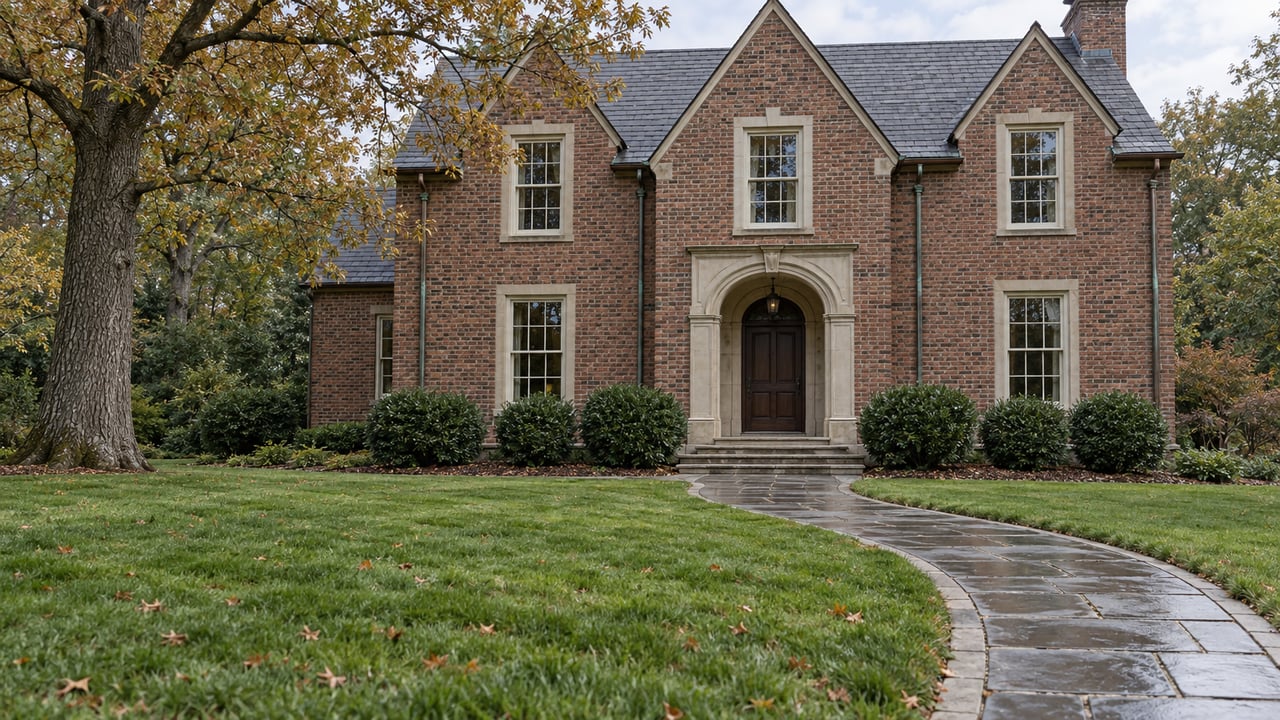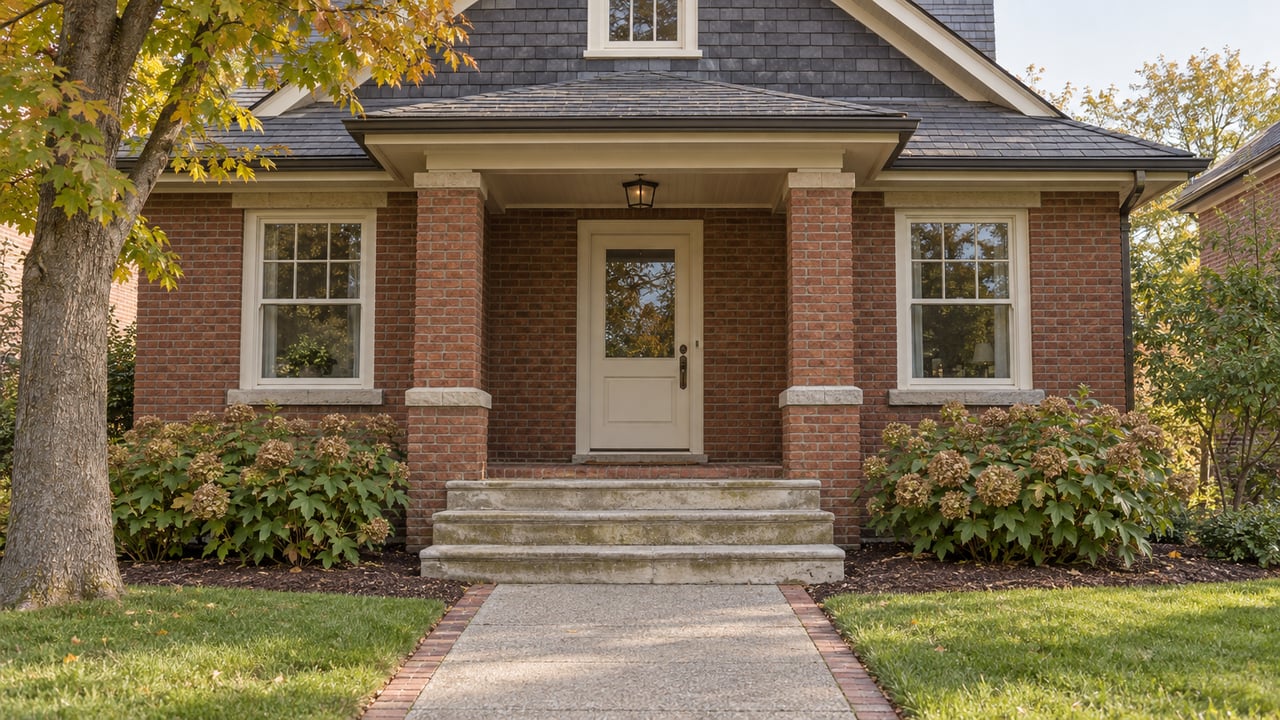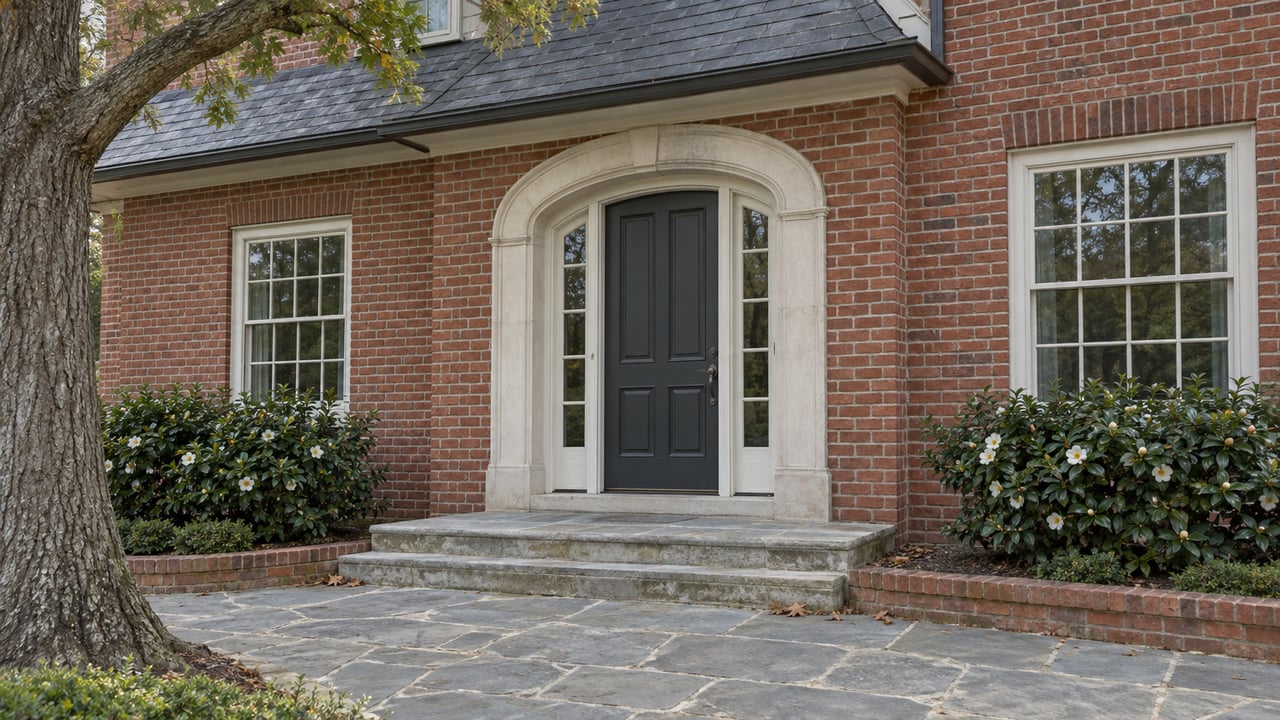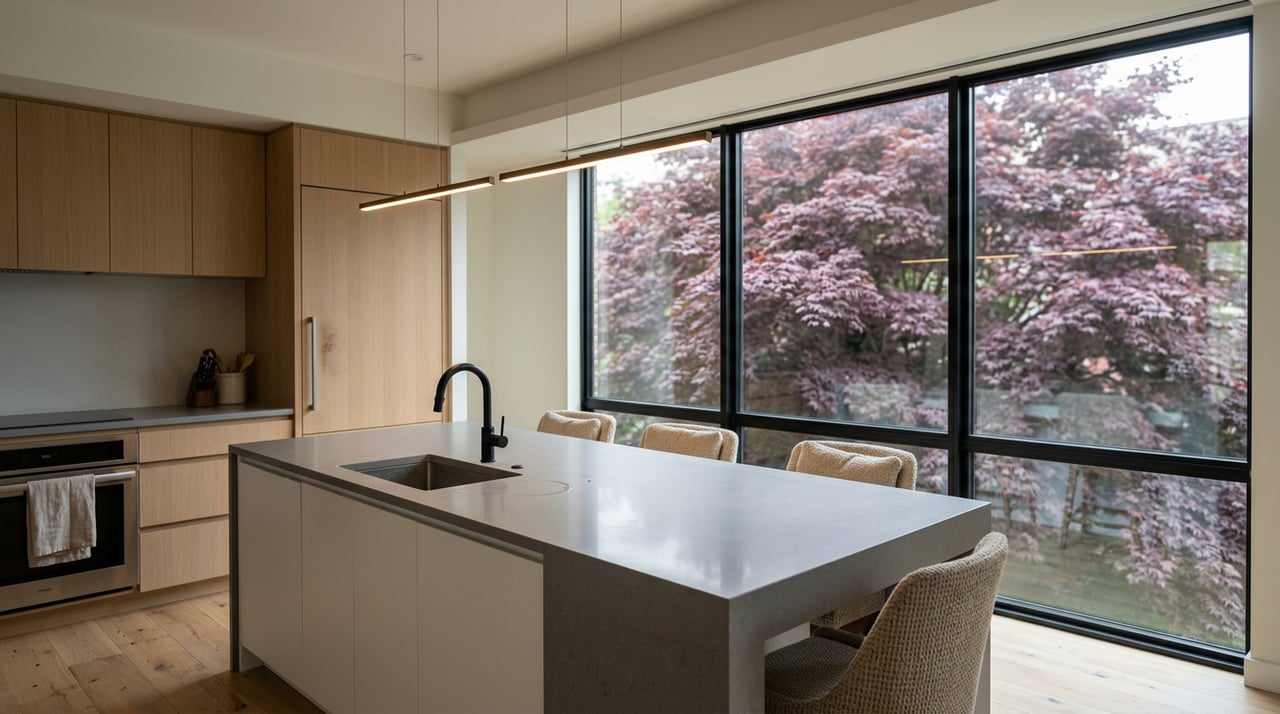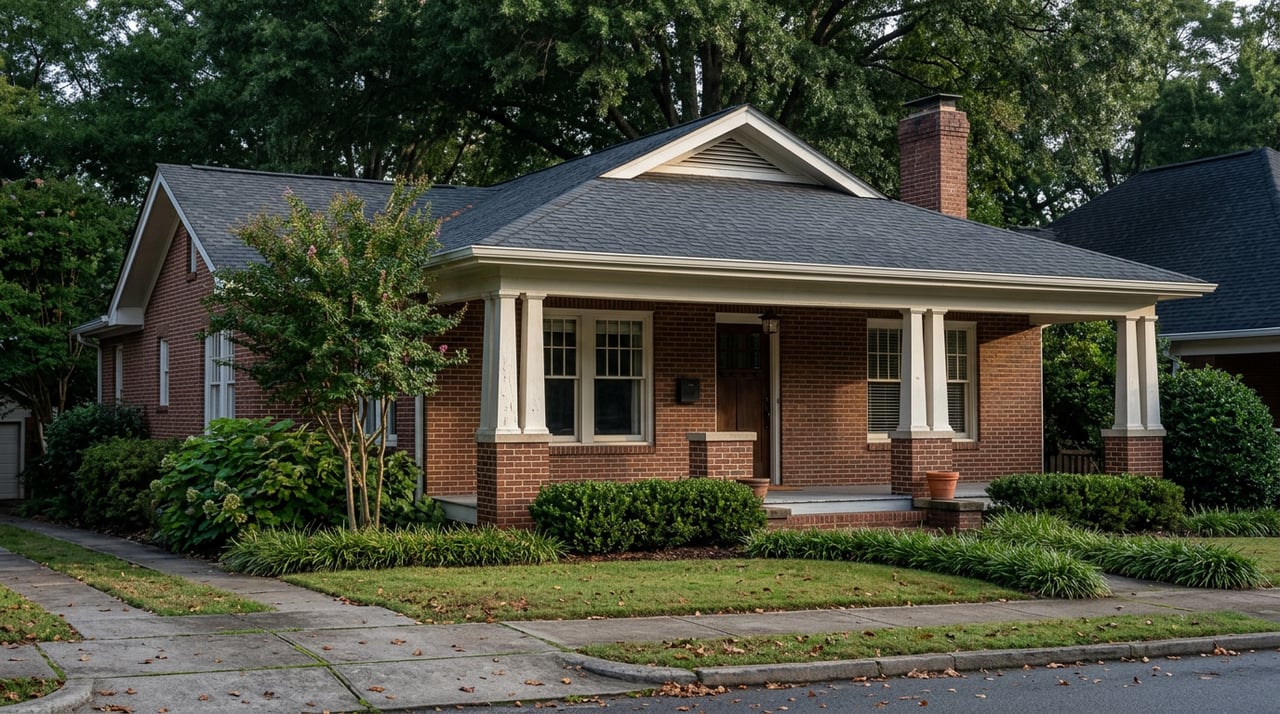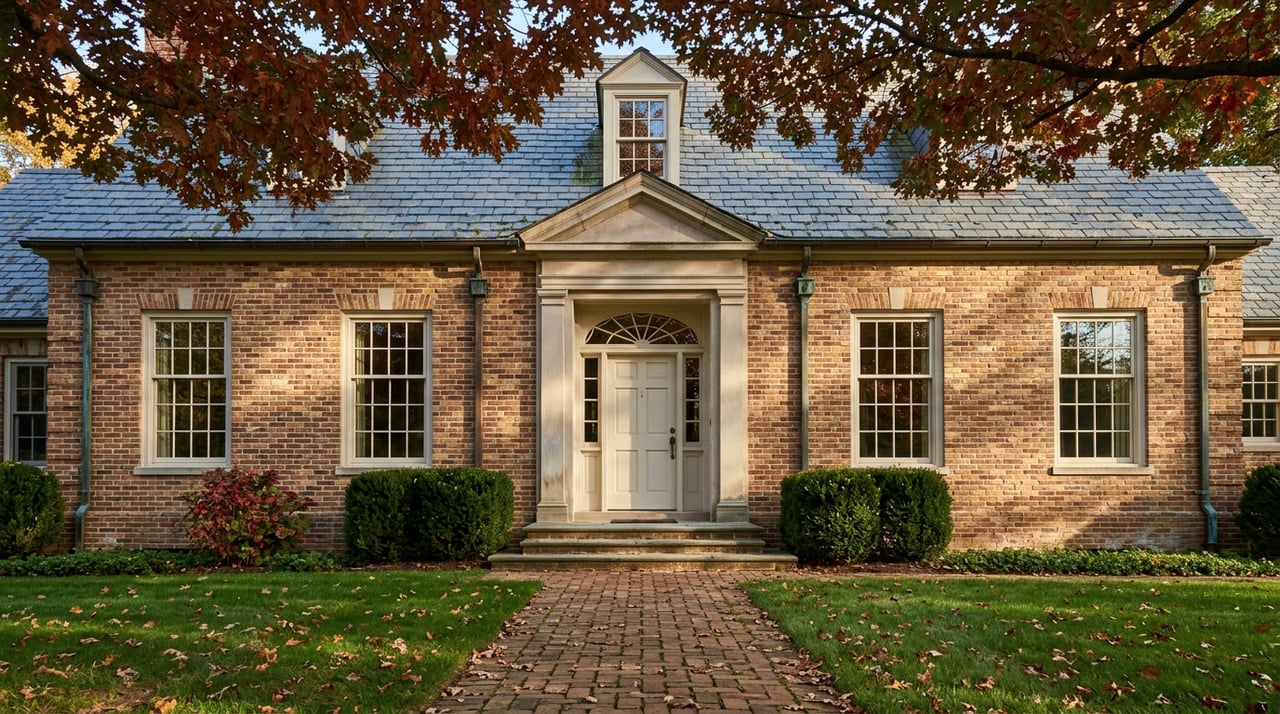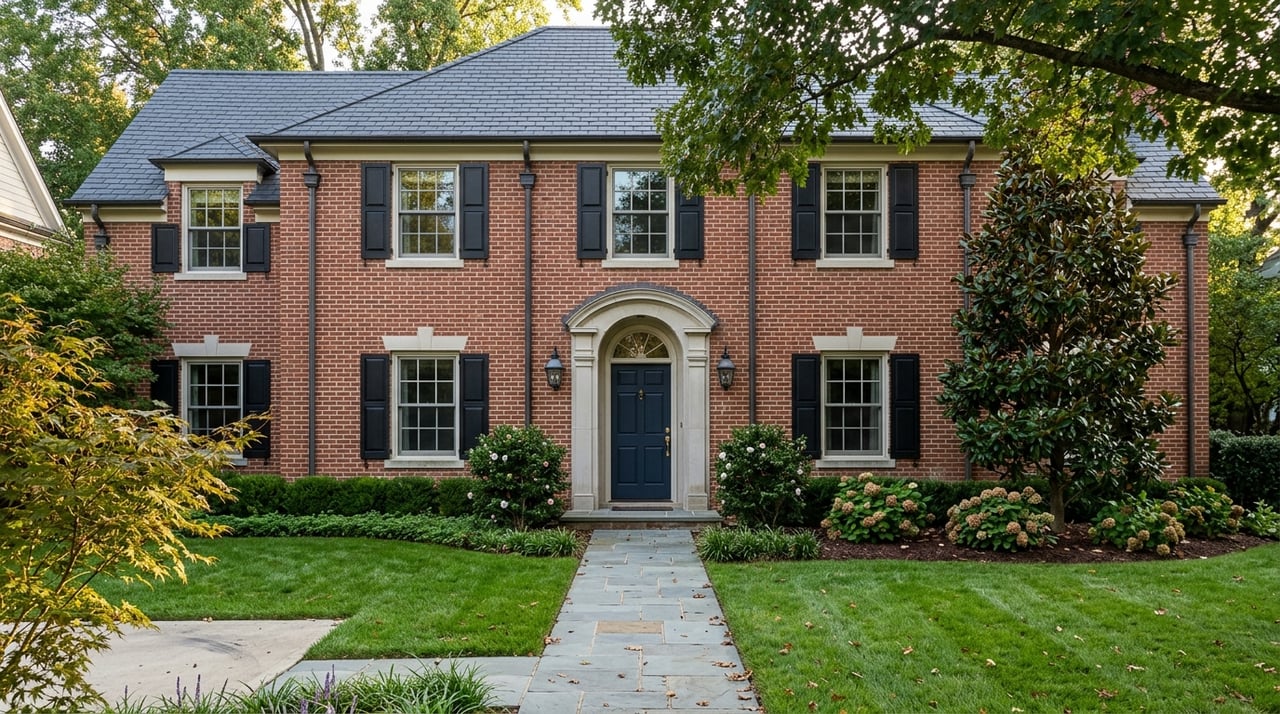
If you are looking at Brookhaven as an investment market, one question matters right away: should you buy for a traditional lease, a furnished 30-plus-day rental, or a short-term rental? In Brookhaven, that choice is not just about income potential. It is also about local rules, carrying costs, and whether your strategy is even allowed. This guide will help you compare the options, understand the city’s current framework, and spot the due diligence steps that matter most before you buy. Let’s dive in.
Why Brookhaven draws investors
Brookhaven sits just northeast of Atlanta and offers a location that appeals to many renters and owner-occupants alike. The city has MARTA access, convenient routes to I-85 and GA-400, walkable pockets like Dresden Drive and Town Brookhaven, and a housing mix that includes condos, townhomes, and single-family homes.
For investors, that creates a market with strong lifestyle appeal but not always simple cash flow. Recent Census data show Brookhaven with a population of 59,370, median household income of $117,663, median owner-occupied home value of $660,300, and median gross rent of $1,789. Third-party market trackers place the spring 2026 median sale price around $700,000 to $710,000, while Zillow’s current average asking rent is about $2,775.
That rent-to-price relationship matters. At a simple gross-rent level, $2,775 per month against a median sale price of $709,667 works out to roughly a 4.7% gross yield before expenses. That is not a cap rate, but it does suggest Brookhaven is usually a selective, equity-heavy market rather than a pure cash-flow play.
Long-term rentals in Brookhaven
For many investors, long-term rentals are the most straightforward path in Brookhaven. The city requires an Occupational Tax Certificate for all businesses, and its guidance says owners of residential and commercial rental properties must have one.
That requirement may sound small, but it matters when you build your numbers. The certificate is annual, not transferable, and must be renewed by April 30. If you skip that step in your underwriting, your first-year returns may look better on paper than they do in reality.
In practical terms, long-term rentals often make the most sense when the property is well-located and stable enough to support recurring ownership costs. Condos, townhomes, and single-family homes near transit, retail, and walkable corridors may fit this approach better than properties that depend on constant turnover.
If you are considering multifamily, Brookhaven adds another layer. The city has a separate apartment inspections program, so apartment acquisitions can carry more recurring compliance than a typical single-family or condo rental.
What to model for a long-term rental
Before you move forward, make sure your pro forma includes:
- Purchase price and financing terms
- Property taxes
- Occupational Tax Certificate costs
- Insurance
- HOA or condo dues if applicable
- Repairs and maintenance
- Vacancy allowance
- Management fees if you will not self-manage
Brookhaven can reward careful buying, but the margin for error may be thinner than in lower-cost rental markets. Clean underwriting matters.
Mid-term rentals may offer a middle ground
If you want more flexibility than a traditional annual lease, a mid-term rental may be worth a closer look. These are usually furnished rentals with stays longer than 30 days.
Brookhaven’s hotel and motel tax materials state that no tax is collected from an occupant who has stayed more than 30 continuous days. Based on that, 30-plus-day furnished rentals are more likely to function like conventional leases than like taxable short-term rentals, though you still need to verify lease terms, HOA rules, and licensing obligations for the specific property.
This format can appeal to investors who want a furnished product without stepping into Brookhaven’s much tighter short-term rental rules. It can also offer a practical balance between income potential and operational complexity.
Why mid-term rentals can work here
A mid-term strategy can make sense if you want:
- More flexibility than a standard 12-month lease
- A furnished rental format
- Less turnover than nightly stays
- A structure that is more likely to align with conventional leasing rules when stays exceed 30 continuous days
That said, you should not assume every condo or townhome will allow furnished rentals. HOA documents, condo declarations, and deed restrictions should be part of your due diligence before you close.
Short-term rentals are highly restricted
This is where many investors need a reality check. Brookhaven’s current short-term rental ordinance is far more restrictive than what buyers often expect.
The city limits short-term rentals to owner-occupied dwellings. To qualify, the owner must have owned the property for more than one year and must have a current homestead exemption through DeKalb County. Because DeKalb’s basic homestead exemption requires the owner to occupy the home as a primary residence, Brookhaven’s rules effectively limit this strategy to owner-occupants rather than pure investment buyers.
The city also requires a permit before listing or operating the property. An owner may hold only one permit and may not maintain a financial interest in more than one Brookhaven short-term rental.
There are additional limits that matter:
- The property may be rented no more than 180 days per calendar year
- The permit cannot be issued to an LLC, partnership, or trust
- The application requires a 24-hour agent contact
- The application includes parking and occupancy information
- Proof of insurance is required
- The owner must agree not to disrupt the neighborhood
Brookhaven currently charges $25 for a one-year short-term rental permit. Permits renew annually, may expire when ownership transfers, and may not be renewed if the property received two or more city code citations in the prior calendar year.
The tax side of STRs
Brookhaven’s hotel and motel excise tax applies to lodging advertised through marketplace facilitators such as Airbnb and VRBO. The city levies an 8% tax, due on the 20th day after the close of each monthly period.
Operators also have to file monthly even if the unit was not rented during that month. That filing requirement is easy to overlook, but it is part of the ongoing compliance burden of the strategy.
Which strategy fits Brookhaven best?
For most pure investors, long-term and mid-term rentals are usually the more practical paths in Brookhaven. The city’s short-term rental rules sharply narrow who can operate legally, and those limits make the market much less favorable for buyers hoping to purchase a non-owner-occupied Airbnb-style property.
That does not mean Brookhaven lacks investment appeal. It means your strategy needs to match the local framework. In this market, a well-bought condo, townhome, or single-family home with a realistic long-term or 30-plus-day furnished lease plan may be more durable than a short-term rental concept that never clears the legal hurdles.
Carrying costs can change the math
In Brookhaven, carrying costs are not a side note. They are often the difference between a sound acquisition and a disappointing one.
Property taxes deserve close attention. DeKalb County calculates tax bills using millage rates, fair market values, and a 40% assessment valuation. Brookhaven’s current city M&O mill rate is 3.85 mills for FY2026, and DeKalb bills property taxes on an installment schedule with payments due September 30 and November 15.
That timing matters for cash flow planning. If you are buying with leverage, you need to understand not only the annual tax amount but also when those bills hit.
Other recurring costs can add up quickly, including:
- Insurance
- Vacancy and turnover
- Repairs and maintenance
- Utilities for furnished rentals
- Cleaning for furnished or short-stay formats
- HOA dues
- Management fees
- Furnishing costs for mid-term rentals
If you are evaluating a deal in Brookhaven, it is wise to test the numbers conservatively. A property that looks acceptable with optimistic assumptions can feel very different once taxes, dues, vacancy, and licensing are fully loaded.
Location still drives performance
Brookhaven’s appeal is tied to access and convenience. The city highlights MARTA access, walkable urban village centers, parks, and an easy connection to the airport. For that reason, location inside Brookhaven still plays a major role in how a rental performs.
Properties near transit, retail, and established neighborhood corridors may have broader appeal to long-term and mid-term renters. Condos and townhomes can be especially attractive from a maintenance standpoint, but they also require close review of HOA restrictions.
Renovated single-family homes may also fit well, especially when the layout, condition, and location support stable leasing demand. The key is to match the property type to the tenant profile and to the city’s rules.
Due diligence steps before you buy
Brookhaven is not a market where you want to make assumptions. A property can look promising online and still fail your plan once taxes, HOA rules, and local licensing are fully reviewed.
A practical acquisition checklist includes:
- Verify the intended use is allowed
- Confirm the Occupational Tax Certificate requirement
- Review HOA, condo, or deed restrictions
- Estimate property taxes using current local rules
- Price insurance realistically
- Build in management and maintenance costs
- Confirm whether a furnished strategy changes your utility or turnover budget
- Review Georgia’s 2025 landlord law if you will be a nonresident owner of a single-family or duplex rental
Georgia’s HB 399, effective July 1, 2025, requires certain nonresident owners of single-family or duplex rentals to have in-state staffing for tenant communications. If that applies to you, it should be part of your operating plan before closing, not after.
Why local guidance matters
In Brookhaven, the difference between a smart buy and a frustrating one often comes down to alignment. You need the property, the rental strategy, and the local rules to work together.
That is where experienced guidance can help. The right advisor can help you compare long-term, mid-term, and owner-occupied short-term rental scenarios, flag permit or HOA issues early, and pressure-test the numbers before you commit capital.
If you are weighing Brookhaven as part of a broader Atlanta investment strategy, working with an advisor who understands premium in-town neighborhoods can help you avoid expensive mismatches. To discuss your goals, connect with Josephine Traina for a thoughtful, data-informed conversation.
FAQs
What is the best rental strategy for Brookhaven investment properties?
- For most non-owner-occupant investors, long-term and mid-term rentals are typically the most practical options because Brookhaven’s short-term rental rules are highly restrictive.
Can you buy a Brookhaven property just for Airbnb use?
- In most cases, Brookhaven’s rules make that difficult because short-term rentals are limited to owner-occupied dwellings, require a homestead exemption, and are not set up for typical pure investment buyers.
Do Brookhaven rental property owners need a business license?
- Yes. Brookhaven’s occupational-tax guidance says owners of residential and commercial rental properties must have an Occupational Tax Certificate.
How are Brookhaven short-term rentals taxed?
- Brookhaven levies an 8% hotel and motel excise tax on qualifying short-term lodging, and operators must file monthly even if the property was not rented that month.
What should you verify before buying a Brookhaven rental property?
- You should verify allowed use, local licensing requirements, HOA or deed restrictions, projected property taxes, insurance, and the full operating budget for your intended rental strategy.