Are you drawn to the charm of a classic Virginia-Highland bungalow, or does the ease of a new build sound more like your pace? It is a common question in a neighborhood where historic homes, tree-lined streets, and limited new construction all shape your options. If you are trying to decide which path fits your lifestyle, budget, and long-term plans, this guide will help you weigh the tradeoffs clearly. Let’s dive in.
Why This Choice Feels Different Here
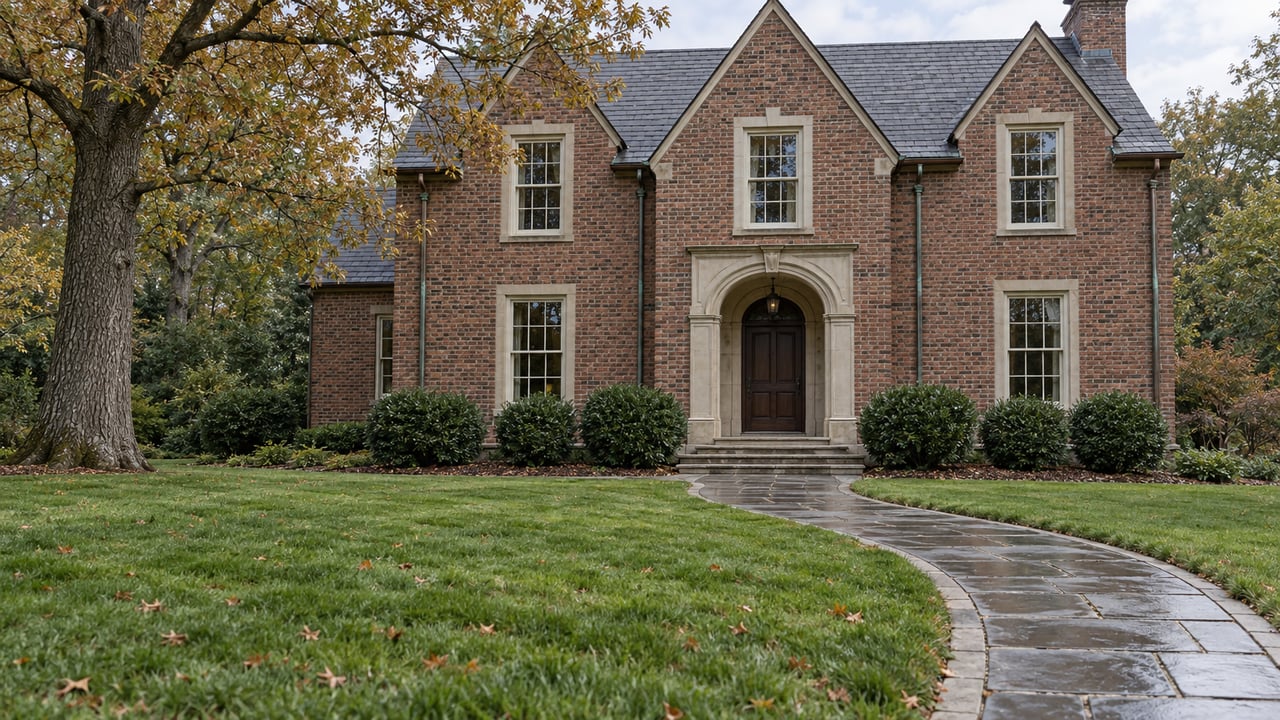
Virginia-Highland is not a neighborhood where every home feels interchangeable. Its historic core is known for bungalows, cottages, and Foursquare houses built mainly from 1905 to 1936, with walkable access to shops, dining, nightlife, Piedmont Park, and the BeltLine.
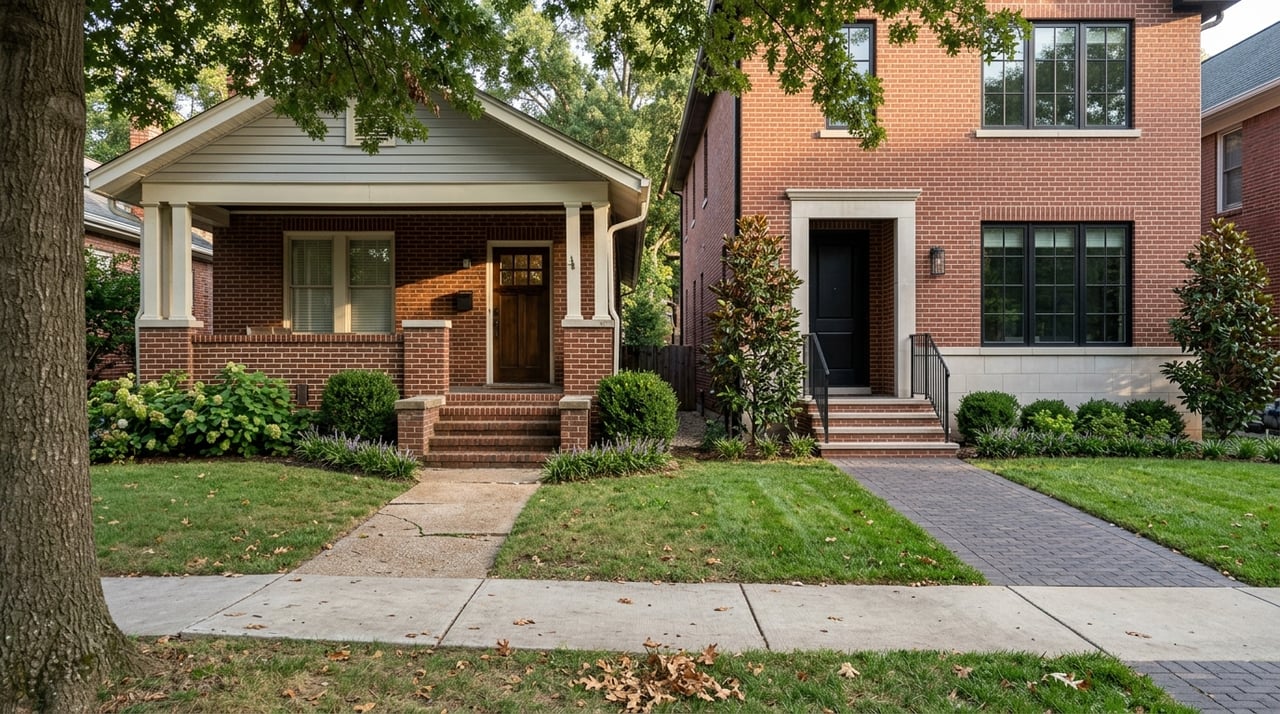
That setting matters when you compare a bungalow to a new build. In Virginia-Highland, you are not just choosing square footage or finishes. You are also choosing between original neighborhood character and a much rarer, premium-priced newer product.
As of May 31, 2026, Zillow’s snapshot put the average Virginia Highland home value at $973,941, up 6.2% year over year, with 42 homes for sale and 13 new listings. The same source showed only 3 new-construction results in the neighborhood, priced from about $2.235 million to $2.695 million, which suggests new builds are limited and tend to sit at the high end.
What a Virginia-Highland Bungalow Offers
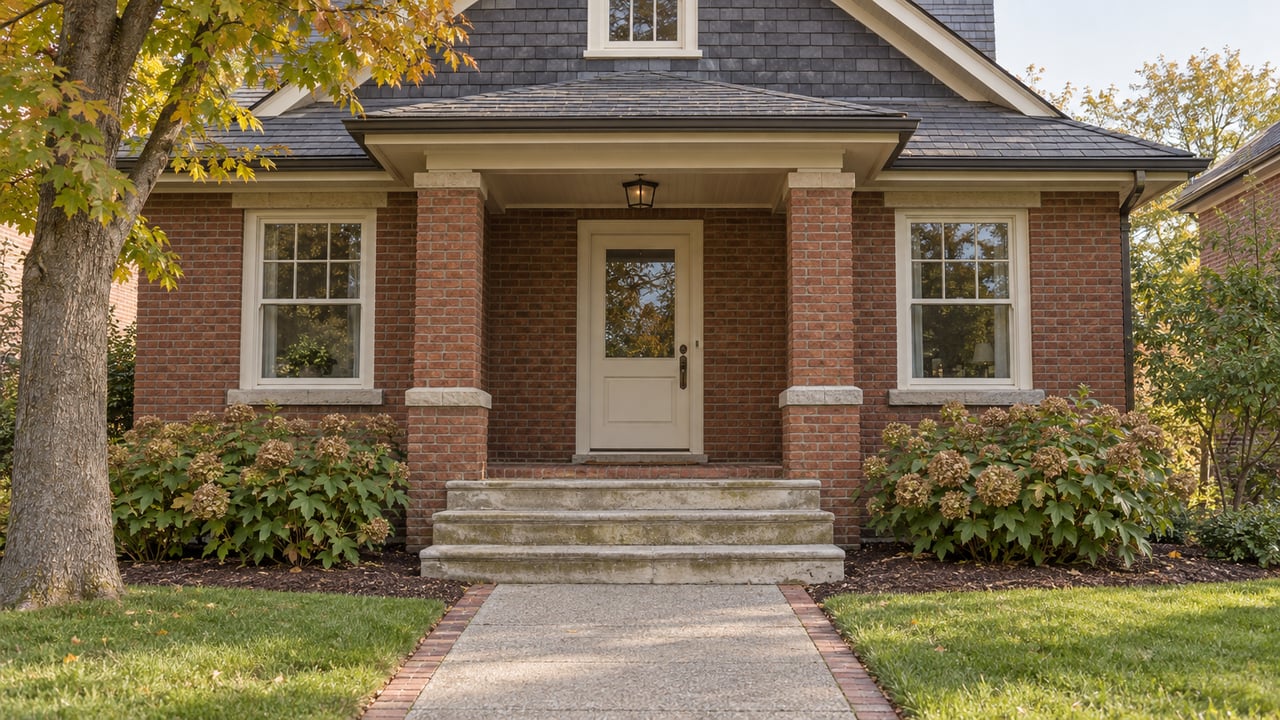
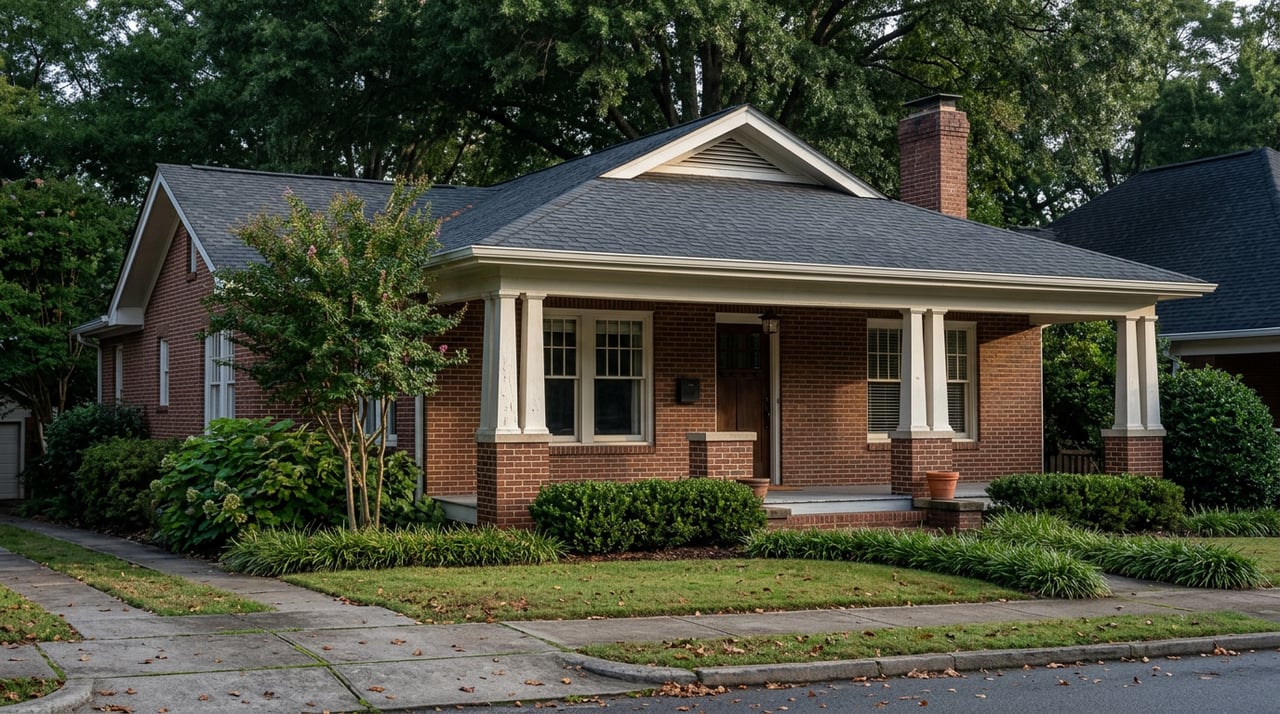
A bungalow is generally a one- or one-and-a-half-story home with a low profile, sloping roof, and a front porch or veranda. The layout often places much of the living space on one floor, which can make the home feel practical and connected to the street.
In Virginia-Highland, much of the appeal is about more than the interior. Local preservation guidance places attention on roofs, additions, setbacks, massing, scale, landscape strips, sidewalks, walkways, fences, retaining walls, and the overall streetscape.
That means a bungalow often delivers a sense of fit that buyers notice right away. The proportions, porch presence, and relationship to the lot are a big part of the value.
Bungalow strengths to consider
- Historic character that feels tied to the neighborhood’s identity
- Front porch living and a stronger visual connection to the block
- Often more one-level living than taller new construction
- Original scale and site fit that align with Virginia-Highland’s traditional streetscape
- Appeal for buyers who value authenticity over a fully modern layout
Bungalow tradeoffs to expect
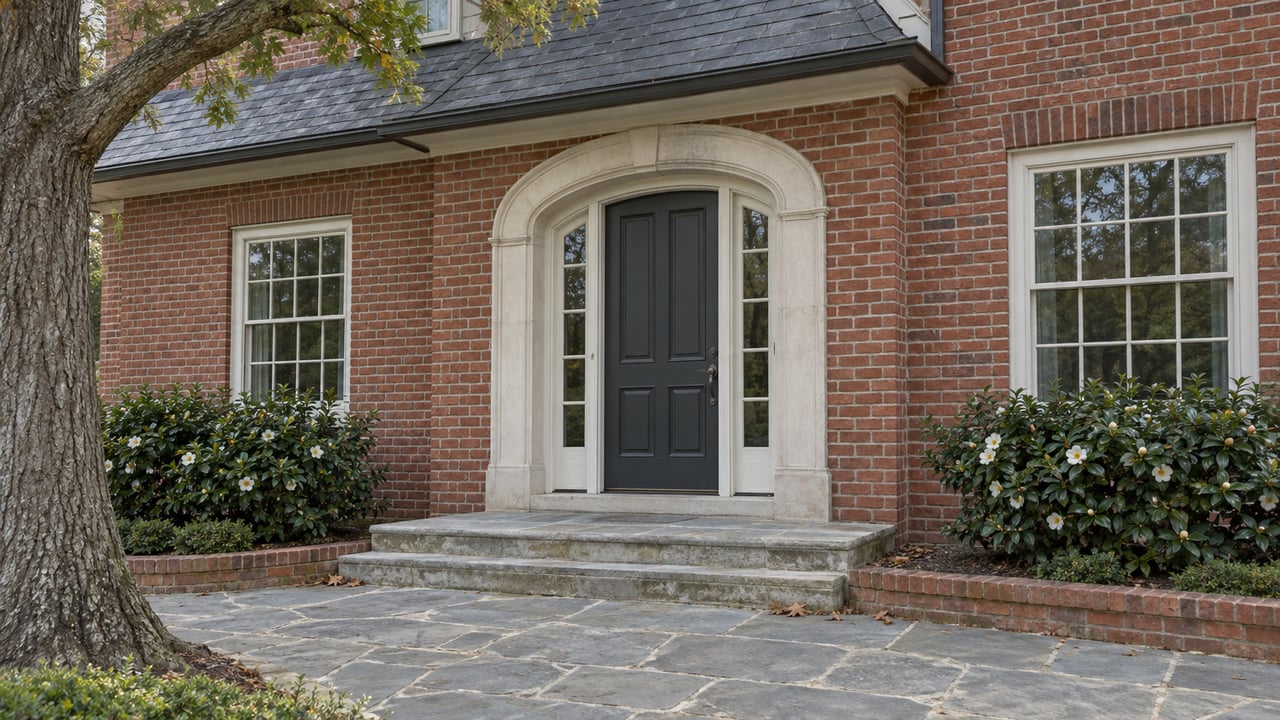
Because many homes in the historic core date from 1905 to 1936, a bungalow purchase often means an older structure with a property-specific update history. Some homes may be beautifully renovated, while others may need more work over time.
That does not mean every bungalow is a project. It does mean you should look carefully at the condition, prior improvements, and how any changes respect the home’s original proportions and lot placement.
What a New Build Offers
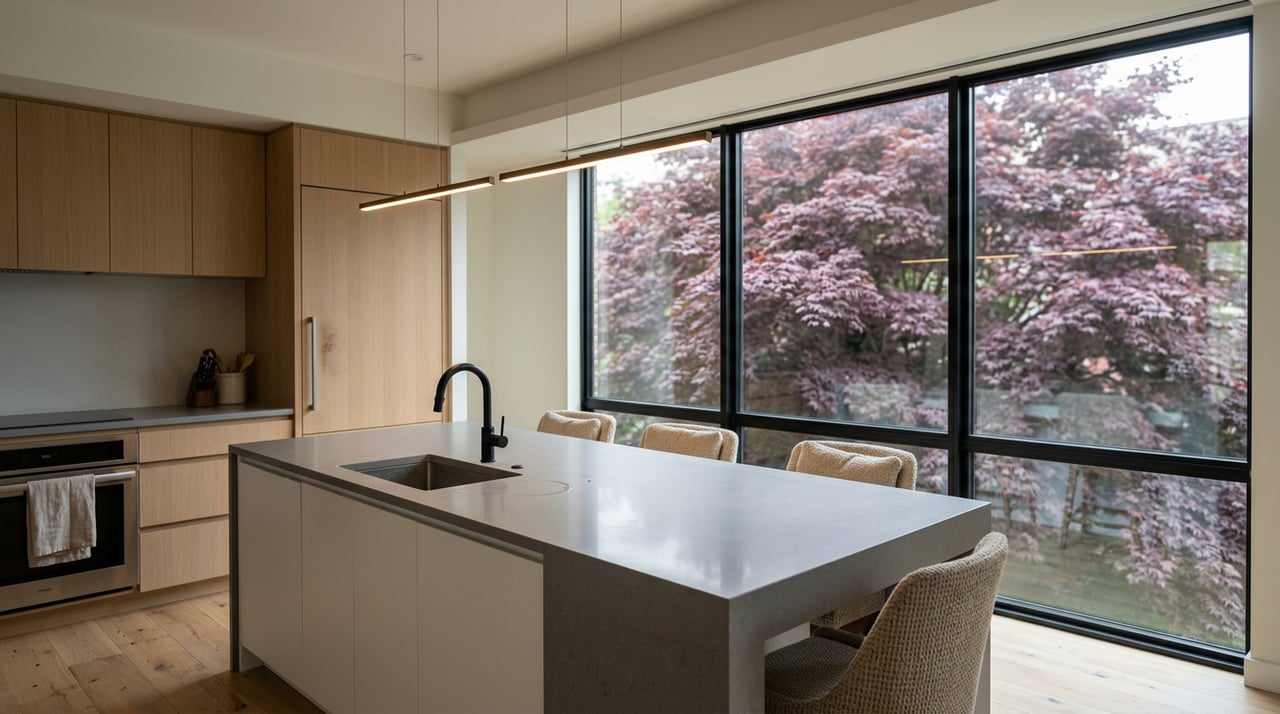
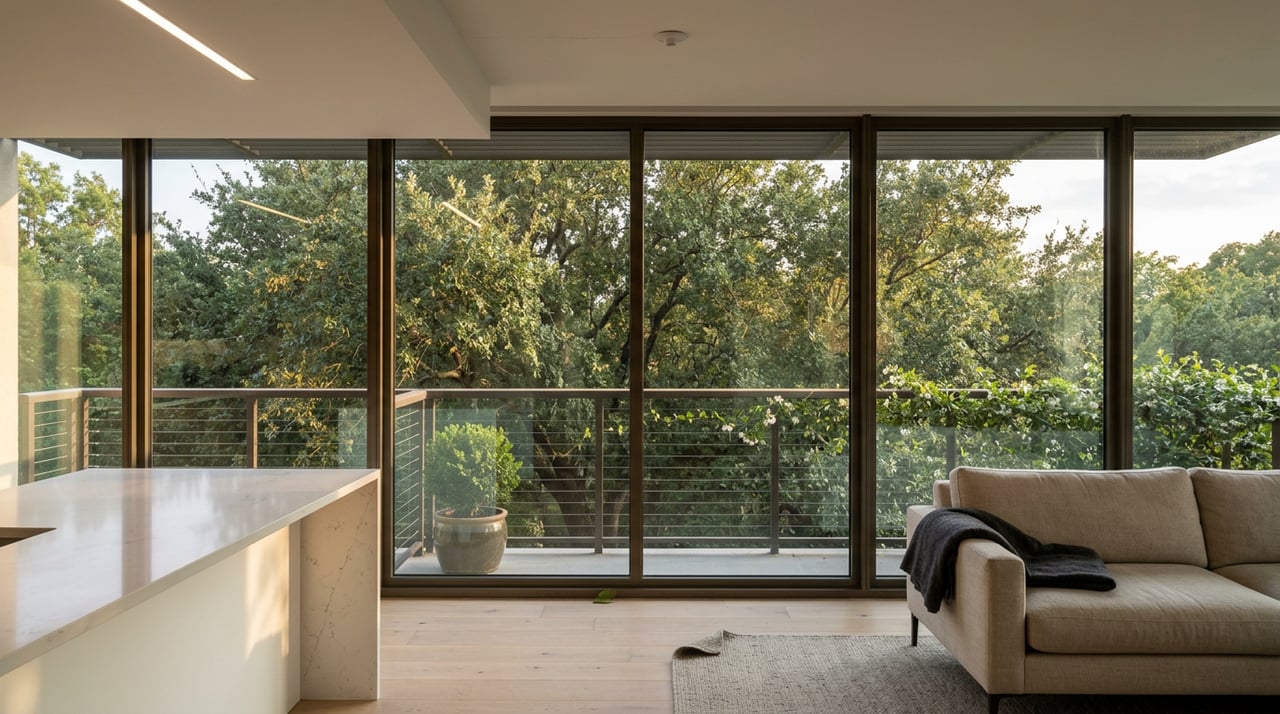
New construction in Virginia-Highland tends to look and live differently from a classic bungalow. Representative listings have featured four-level plans, rooftop decks, private fenced yards, and open main living areas.
For some buyers, that layout is the main attraction. If you want larger, more vertical living space and a more turnkey feel, a new build may check boxes that an older home simply cannot.
New-build strengths to consider
- Modern floor plans with open living areas
- More square footage in many cases
- Contemporary features like rooftop decks and fenced outdoor space
- Potentially lower near-term maintenance due to newer systems and materials
- Energy-efficiency advantages in some homes
On performance, the U.S. Department of Energy says certified efficient new homes are designed for strong energy savings, comfort, health, and durability. The EPA says ENERGY STAR-certified new homes must meet strict efficiency standards and are at least 15% more efficient than homes built to current code, with features that typically make them 20% to 30% more efficient.
There can also be warranty benefits. The FTC says most newly built homes come with a builder warranty that often covers permanent parts of the house, such as plumbing and electrical work, though coverage varies and usually does not include appliances or moving or living costs during repairs.
New-build tradeoffs to expect
In Virginia-Highland, new construction is limited and usually priced at a premium. You may pay significantly more for turnkey condition, larger scale, and newer systems.
You may also be choosing a home form that feels less connected to the neighborhood’s traditional bungalow streetscape. That is not inherently better or worse. It simply depends on what matters most to you.
Five Questions To Help You Decide
1. How much work do you want to take on?
If you want a home that feels move-in ready with newer systems, a new build may offer more peace of mind in the near term. That can be especially helpful if you are relocating on a tight timeline or want fewer immediate projects.
If you enjoy architectural character and are comfortable evaluating condition carefully, a bungalow may offer a more distinctive ownership experience. The key is understanding whether you want a home to personalize gradually or one that already delivers a turnkey feel.
2. Is one-level living important?
This is one of the clearest lifestyle differences between the two options. Bungalows often place much of daily living on one floor, while newer homes in the neighborhood may rise over several levels.
If stairs are not ideal for your routine, a bungalow may better support the way you live. If you prefer separation between entertaining, work, and private spaces, a multi-level new build may feel more functional.
3. How much do trees and streetscape matter to you?
Virginia-Highland is known for its tree-lined streets, but local planning documents also note concern about tree canopy loss from infill and aging trees. If mature trees, original lot rhythm, and a traditional block feel are high on your list, a bungalow may align more naturally with those priorities.
The neighborhood master plan recommends that new housing be compatible with existing neighborhoods and that size and scale remain commensurate with lot sizes to help preserve open space, permeable surfaces, and tree cover. For many buyers, that makes the lot itself part of the decision, not just the house.
4. Are you comfortable with review and permitting issues?
In this neighborhood, changes to a property can involve more than a standard design decision. The City of Atlanta says owners should use the GIS Property Info map to determine whether a property sits in a historic or landmark district, because certain work may require Certificate of Appropriateness review.
Tree rules also matter. Atlanta’s tree ordinance requires site plans for new construction or renovation to show trees that are 6 inches DBH or larger, along with construction details and tree-protection measures, and projects that may affect trees must complete an Arborist Meeting before a permit application is submitted.
If you are buying with future changes in mind, this is worth understanding up front. Some buyers are comfortable navigating that process, while others prefer a home that already meets their needs.
5. What are you willing to pay a premium for?
In Virginia-Highland, buyers often pay for one of two things: authenticity or turnkey modern living. A bungalow may command attention because of its historic character, porch appeal, and fit within the neighborhood fabric.
A new build may command a premium because it is rare, large, and ready for modern living from day one. Your best choice depends on whether your value is tied more to original character or to convenience and newer construction standards.
Bungalow Vs. New Build At A Glance
| Priority | Bungalow | New Build |
|---|---|---|
| Neighborhood character | Strong tie to historic streetscape | Varies by design and lot fit |
| Layout | Often one-level or one-and-a-half-story living | Often multi-level living |
| Condition | Depends on update history | Typically more turnkey |
| Systems and efficiency | Property-specific | Often stronger efficiency potential |
| Maintenance outlook | May require more ongoing attention | Often lower near-term maintenance |
| Availability | More common in the neighborhood | Limited supply |
| Price positioning | Varies widely by condition and updates | Typically premium-priced |
The Best Choice Comes Down To Fit
There is no universal winner in Virginia-Highland. A bungalow may be right for you if you want historic character, porch life, and a home that feels deeply rooted in the neighborhood’s original scale.
A new build may be right for you if you prioritize modern systems, larger floor plans, and a more turnkey experience. In a neighborhood with limited new inventory and a strong historic identity, the smartest move is to match the home to how you actually live, not just what looks best online.
If you want help weighing these options in Virginia-Highland or across Atlanta’s high-value neighborhoods, Josephine Traina offers seasoned, concierge-level guidance to help you buy with clarity and confidence.
FAQs
What is the main difference between a Virginia-Highland bungalow and a new build?
- A bungalow usually offers historic character, porch-oriented design, and often more one-level living, while a new build usually offers a more modern layout, newer systems, and a more turnkey feel.
How common are new-build homes in Virginia-Highland?
- New construction appears to be limited in Virginia-Highland. A May 2026 Zillow snapshot showed only 3 new-construction results in the neighborhood, with pricing in the premium range.
Are Virginia-Highland bungalows usually older homes?
- Yes. The neighborhood’s historic core is made up largely of homes built from 1905 to 1936, so buying a bungalow often means buying an older home with a unique update history.
Do new homes in Virginia-Highland offer better energy efficiency?
- They can. Certified efficient new homes and ENERGY STAR-certified new homes are built to meet stricter performance standards, which can support better energy savings and comfort.
What property rules matter when buying in Virginia-Highland?
- Historic district review and tree rules can matter. Depending on the property and the scope of future work, you may need to consider Certificate of Appropriateness review and Atlanta’s tree-protection requirements.
Which Virginia-Highland home type is better for resale?
- It depends on the buyer pool. Bungalows often appeal to buyers who value historic character and block fit, while new builds often appeal to buyers who want modern systems, larger layouts, and lower near-term maintenance.